

Kevin Rose’s Supplement Stack at a Glance:
- Routine: Kevin takes 11 supplements daily, costing approx. $325 per month.
- Focus: Longevity & foundational health.
- Selection Method: Consulted trusted experts (friends and health professionals) and based on quarterly bloodwork.
- Philosophy: Only buys high quality supplements from brands that offer full transparency and 3rd party testing.
Kevin Rose Complete Supplement Stack
Kevin rose is a tech founder (Digg) & investor (Square, Twitter, Facebook) passionate about health & performance.
He trusts the latest research and advice of close friends Tim Ferriss, Peter Attia, and Rhonda Patrick for supplement advice.
Click below to see what he takes and why.
🧩
Foundational
Supplements to help overall wellness & long-term well-being.
- Multivitamin → 2 pills daily
- Vitamin D3 → Around 5,000 IU daily
🌳
Longevity
Supplements to supercharge cell repair, energy & regeneration.
- Ubiquinol (CoQ10) → 100 mg daily
- Ergothioneine → 5 mg daily
- Taurine → 1 g daily
- PQQ → 20 mg daily
Kevin Rose’s Health Journey
 Kevin Rose is best known as the founder of Digg.com.
Digg was the first news website to allow users to upvote and downvote articles to decide which would be featured on the homepage.
He has said he got the idea from Slashdot.org, which allowed users to submit news articles, but then the editors of Slashdot would decide which to put on the homepage.
Kevin wanted to give the users full control. He hired a web developer from Canada, named Owen Byrne (went on to become the lead engineer for Digg). Digg was launched in 2004 as Digg.com.
Digg was a wild success (keyword: was) and netted Rose a nice chunk of change before he was 30.
Early on, Kevin also had success as an angel investor working for Google Ventures and in his private life. He invested early in Twitter, Facebook and Square (making current day Rose a wealthy man with stacks of cash for his supplements and health pursuits).
He says he was always interested in alternative health backed only by evidence-based research. On his YouTube channel he has some of the first interviews of now well-known experts: Dr. Andrew Weil and Dr. Peter Attia (both of whom he often seeks advice from).
Kevin has founded two health & wellness apps:
- A fasting app called Zero Fasting.
- A meditation app called Oak Meditation.
Daily Supplement List
 Rose decided on his supplement stack after talking with his many expert friends—Tim Ferriss & Peter Attia—among them.
His supplements are tailored towards longevity, foundational health, and cognitive health. And he only buys the best brands.
He makes no mention of magnesium, B-complex, vitamin C, probiotics or adaptogens. But this may be because they are properly contained within his multivitamin or he gets the requirement from his diet.
Let’s check out the specifics of each supplement in his supplement stack.
Vitamin D3
Best Vitamin D3:
 Vitamin D3 – Foundational Health
Supports your bones, immune system, energy, focus and mood.
Kevin Talks About Vitamin D:
Kevin’s Vitamin D3 Stack:
- Brand: Pure Encapsulations – Vitamin D3
- Purpose: Maintain adequate blood level of D3.
- Dosage: Based on blood work. Get your blood work done to see if you need to start taking D3 supplementation. Typical dosage is 1,000 – 5,000 IU per day.
- Frequency: Daily.
- More Information:
- The D3 supplement Kevin takes uses a VESlsorb formulation to enhance absorption.
- You can get enough D3 from your diet and Sun exposure. However, this requires you to get the correct foods and the correct amount of skin exposure to the Sun.
Where Does Vitamin D3 Come From?
Most Vitamin D3 in pills comes from lanolin, the natural oil in sheep’s wool. After sheep are sheared, the wool is washed, and the lanolin is collected, purified, and turned into a powder.
Scientists then shine UV light on it—just like how the sun triggers Vitamin D production in your skin—turning it into D3.
Vegan D3 comes from lichen, a small plant-like organism, using a similar process.
What Does Vitamin D3 Do in the Body?
Vitamin D3 helps your body absorb calcium, which strengthens bones and prevents them from becoming weak or brittle. It also plays a role in muscle function by helping muscles contract properly and preventing cramps.
For the immune system, D3 helps white blood cells respond more effectively to infections while controlling inflammation so your body doesn’t overreact.
It also supports skin health by reducing inflammation and strengthening the skin barrier.
Some research suggests it may lower the risk of heart disease and certain infections by reducing harmful inflammation.
Since D3 dissolves in fat, it’s best taken with food that contains healthy fats (like olive oil, nuts or eggs) for better absorption.
What Does The Science Say?
According to Columbia University the reason why vitamin D3 matters is because:
- Helps maintain bone and muscle strength.
- Improves immune function.
- Promotes healthy skin.
- Prevent diseases: inflammatory bowel, heart and other infectious diseases.
Multivitamin
Best Multivitamin:
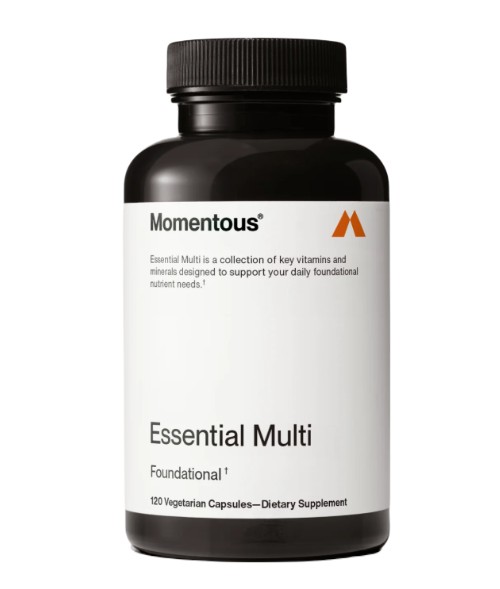 Multivitamin – Foundational Health
Essential vitamins & minerals for energy, immunity, brain function, and overall wellness
Kevin’s Multivitamin Stack:
- Brand: MegaFood – Multivitamin
- Purpose: A failsafe in case your diet is not providing proper vitamin and nutrient quantities.
- Amount: Kevin takes 2 tablets.
- Frequency: Daily.
- More Information:
- The multivitamin Kevin Rose takes is a whole food-based multi (not synthetic). This is a less common form and the benefits of it are not clear (at least in mainstream medical journals).
Where Do Your Multivitamins Come From?
Ever wonder how the vitamins in your multi actually get made
Some come from food, some are brewed like beer, and others are mined straight from the earth.
Here’s the real deal:
- Vitamin C – Made from corn syrup. Scientists use bacteria to ferment it (like making yogurt), turning it into the same vitamin C you’d get from oranges.
- B Vitamins (like B12 & Folate) – Grown in giant fermentation tanks, kind of like brewing beer. The bacteria naturally produce these vitamins, which are then extracted and purified.
- Vitamin D – Comes from sheep’s wool (yep, really). After shearing, the wool’s natural oils are collected and exposed to UV light—just like how your skin makes vitamin D from the sun. Vegan D3? Same process, but from lichen (a mossy plant).
- Vitamin A & E – Pulled from vegetable oils like soy or sunflower. The oil is processed to extract just the vitamin-rich part.
- Calcium & Magnesium – Mined from the earth, crushed, purified, and turned into powder your body can actually use.
- Iron & Zinc – Also mined, but since raw minerals are tough to absorb, they’re processed into forms your body can handle—like grinding coffee beans so you can brew them.
- Chelated Minerals – These minerals get “wrapped” in amino acids (like coating a pill in candy) to help your body absorb them better.
So yeah, your multivitamin is part farm, part brewery, and part mining operation—all to give your body what it needs.
What Does Your Multivitamin Do for You?
Think of it as your daily backup plan:
- More Energy. B vitamins turn food into fuel, so you don’t feel like a zombie.
- Stronger Bones. Vitamin D, K, and calcium keep them solid.
- Better Immunity. Vitamin C and zinc help you fight off colds.
- Healthy Skin & Hair. Biotin and antioxidants keep you glowing.
- Heart & Brain Boost. B vitamins and folate help keep your mind sharp and your blood flowing.
Since some vitamins (A, D, E, and K) need fat to absorb, take your multi with a meal that has healthy fats—like eggs, nuts, or avocado.
What Does The Science Say?
According to Harvard there are several groups of people who benefit from taking a multivitamin:
- People with poor diets, for example, if all you eat is rice or McDonalds you likely won’t be getting all the essential vitamins and minerals you need.
- Older people with absorption issues need more B12.
- Pregnant women need more folate.
- However, Harvard mentions if you have a well-balanced diet a multivitamin may offer no benefit.
Ubiquinol (CoQ10)
Best Ubiquinol:
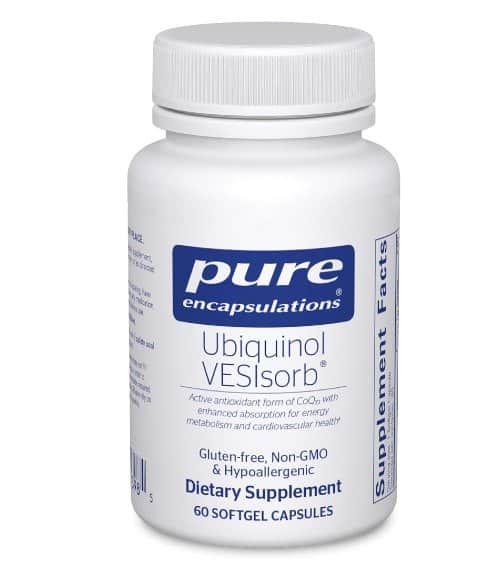 Ubiquinol – Longevity
Kevin’s Ubiquinol Stack:
- Brand: Pure Encapsulations – Ubiquinol
- Purpose: Improve heart health and cellular energy production.
- Amount: Not mentioned.
- Frequency: Daily.
- More Information:
- The brand of ubiquinol Kevin takes uses the VESlsorb formulation to improve absorption.
Where Does Ubiquinol Come From?
Ever wonder where the power station of your cells gets its energy?
Ubiquinol isn’t some lab-created mystery—your body makes it naturally. But as you age (or run on too much caffeine and stress), those levels start to drop, which is why supplements exist.
Here how scientists get it into pills:
- Fermented, not fabricated. They use a yeast fermentation process (kind of like making beer) to create pure ubiquinol—the most bioavailable form of CoQ10.
- Improvements over time. Traditional ubiquinone (regular CoQ10) has to be converted in your body before it works. Ubiquinol? Already good to go.
- Enhanced with oils. Because ubiquinol dissolves in fat, high-quality supplements often mix it with MCT oil or olive oil to improve absorption.
So yeah, your ubiquinol is part brewery, part bioengineering, and part cell (mitochondria) fuel.
What Does Ubiquinol Do in Your Body?
Think of it as your cellular battery pack—keeping your body powered up, protected, and performing at its best.
- More energy. Your cells need fuel (ATP) to function. Ubiquinol supercharges ATP production, so you feel less a drained phone and more a full battery.
- Heart health hero. Your heart is a full-time engine, and ubiquinol helps keep the mitochondria in heart cells running smoothly. Some research even suggests it helps lower blood pressure.
- Ultimate antioxidant. Think of ubiquinol as a cell bodyguard—stopping oxidative stress (in its tracks).
- Brain & muscle enhancer. By improving oxygen use, ubiquinol can help with endurance, recovery, and focus—whether you’re lifting weights or lifting your morning coffee.
What The Science Says:
According to the Mayo Clinic there are 4 main reasons to take ubiquinol (which is the active form of CoQ10):
- Can help with symptoms of congestive heart failure
- Can lower blood pressure and bad cholesterol
- Reduce side effects of taking statin drugs (muscle pain and weakness)
- May stop migraines.
Collagen
Best Collagen:
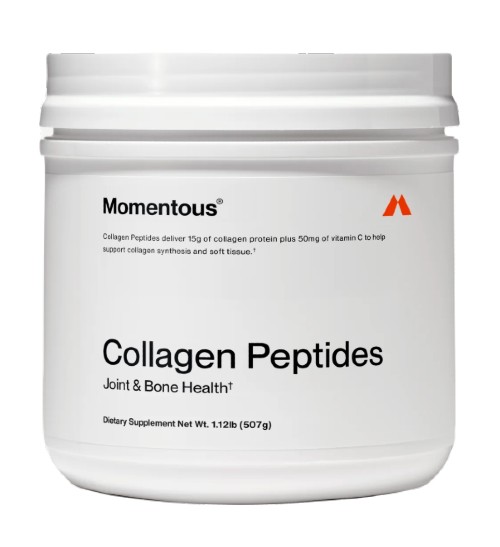 Collagen – Recovery
Kevin Talks Collagen:
Kevin’s Collagen Stack:
- Brand: Pure Encapsulations – Collagen
- Purpose: Improve joint health and the look of your skin.
- Amount: 1000 mg.
- Frequency: Daily.
- More Information:
- Collagen supplements are not regulated by the FDA and much of the evidence-based research has been funded by the supplement industry.
Where Does Your Collagen Supplement Come From?
If you’ve ever heard collagen keeps you looking young, you’re not wrong. But where does the powder you take actually come from?
- Animal-powered. Most collagen supplements come from cow hides, fish skin, or chicken bones. The collagen is extracted, purified, and broken down into peptides so your body can actually use it.
- Bone broth connection. Ever made homemade bone broth and noticed that gelatinous texture when it cools? That’s collagen in action—and why sipping bone broth is a natural way to boost your intake.
- Vegan collagen? Nope. Collagen only comes from animals, but plant-based alternatives rely on amino acids + vitamin C to help your body produce its own.
What Does Collagen Do in Your Body?
Think of it as your body’s scaffolding—keeping your skin, joints, and bones strong and flexible.
- Smooth skin & stronger hair. Collagen keeps your skin plump and elastic, reducing wrinkles and increasing hydration.
- Joint & bone support. It acts like WD-40 for your joints, helping keep them cushioned and flexible. Since bones are 30% collagen, it also plays a key role in keeping them strong.
- Gut health & recovery. Some types of collagen may support gut lining health, reducing inflammation, and improving digestion.
- Muscle maintenance. While collagen isn’t a replacement for whey or plant-based protein, it does support muscle repair and recovery, especially when combined with resistance training.
Since collagen needs vitamin C to work proper, it’s best taken with foods like berries, citrus or bell peppers.
What Does The Science Say?
According to Cleveland Clinic there are 3 main reasons to take a collagen supplement:
- Improve your skin hydration and elasticity to reduce wrinkles
- Improve joint function
- Improve or help maintain muscle mass.
Omega-3
Best Omega-3:
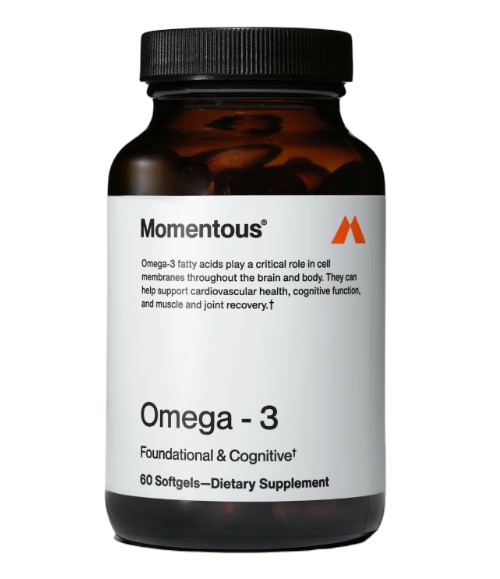 Omega-3 – Brain
 Rose Talks Omega-3s:
Rose’s Omega-3 Stack:
- Brand: Pure Encapsulations – Omega 3
- Purpose: Improve general health of your heart, brain and joints.
- Amount: 2 g.
- Frequency: Daily.
- More Information:
- The benefits of omega-3s found in foods like salmon and sardines are well known and researched, however, the omega-3s inside supplements may not give you the same benefit.
Where Does Your Omega-3 Supplement Come From?
You’ve heard omega-3s are essential for brain power and heart health—but where does the stuff in your supplement pill actually come from?
- Fish-powered. Most omega-3 supplements come from fatty fish like anchovies, sardines, and mackerel. The oil is extracted, purified, and concentrated into softgels or liquid form.
- Algae—the plant-based source. Fish don’t actually make omega-3s themselves—they get it from eating marine algae. Algal oil supplements cut out the middlemen, delivering vegan-friendly DHA and EPA straight from the source.
- Krill oil—small but mighty. Another option is krill oil, which contains phospholipid-bound omega-3s, making them easier to absorb than fish oil. It also naturally contains astaxanthin, a powerful antioxidant.
So whether it’s fish, algae, or krill—your omega-3s come straight from the ocean.
What Does Omega-3 Do in Your Body?
Think of omega-3s as brain fuel, heart support, and inflammation control—all in one.
- Brain helper. DHA is a key building block of brain cells, improving memory, focus, and mood. Studies show omega-3s may help protect against cognitive decline.
- Heart helper. Omega-3s help keep cholesterol in check, reduce blood pressure, and improve circulation, lowering your risk of heart disease.
- Joint & muscle helper. Omega-3s have natural anti-inflammatory properties, reducing joint pain and speeding up muscle recovery after exercise.
- Skin & eye helper. Omega-3s hydrate skin from the inside out, keeping it plump and reducing dryness. They also protect eye health, especially as you age.
Since omega-3s absorb better with food, take them with a meal that contains healthy fats like avocado, nuts, or olive oil for max benefits.
What Does The Science Say?
Fish Oil Matters: According to MedicalNewsToday there are 3 main reasons to take fish oil supplementation:
- Reduce risk of heart disease by regulating triglyceride levels, cholesterol and high blood pressure. Also has anti-inflammatory properties
- Omega-3s found in fish oil help protect again age-related vision loss and cognitive decline.
- May help with conditions like depression and ADHD.
Creatine
Best Creatine:
 Creatine – Performance
Boosts muscle strength & endurance, muscle recovery, and mental clarity.
Kevin Talks Creatine:
Kevin’s Creatine Stack:
- Brand: CON-CRET – Creatine or NOWFoods – Creatine he has mentioned both at different times.
- Purpose: Improve cognitive performance and muscle growth/recovery.
- Amount: 750 mg and 1.5 g on weight training days.
- Frequency: Daily
- More Information:
- Creatine is the 2nd most popular supplement after protein.
- Creatine is a no-brainer supplement even if you don’t lift weights.
Where Does Your Creatine Supplement Come From?
You’ve heard creatine is the king of strength and muscle gains—but where does it actually come from?
- Lab-made, not meat-sourced. Even though creatine is naturally found in red meat and fish, almost all creatine supplements are synthetically produced in a lab. The good news? It’s chemically identical to the creatine in your body.
- Made from 3 amino acids. Scientists combine arginine, glycine, and methionine through a fermentation process to create pure creatine monohydrate—the most researched and effective form.
- Micronized for better absorption. Some creatine is processed into smaller particles (micronized creatine) so it dissolves better in water and is easier for your body to absorb.
So while your steak has creatine, your supplement is lab-refined for purity and performance—without needing to eat pounds of meat daily.
What Does Creatine Do in Your Body?
Think of creatine as your body’s turbocharger—fueling muscles, brain, and recovery.
- More strength & power. Creatine replenishes ATP (your cells’ energy currency), helping you lift heavier, sprint faster, and push harder.
- Bigger, fuller muscles. It draws water into muscle cells, making them look bigger while also supporting faster muscle repair after tough workouts.
- Brain enhancement. Your brain also runs on ATP, and creatine has been shown to improve focus, memory, clarity, especially in sleep-deprived or vegans.
- Faster recovery. Creatine reduces muscle breakdown and inflammation, helping you bounce back quicker between workouts.
Unlike some supplements, creatine doesn’t need to be taken with food, but staying hydrated helps max its benefits. Some people do a “loading phase” (20g/day for 5 days), but 3-5g daily is enough to maintain high levels over time*.
*Note: Kevin only takes 1.5g on weight training day. 750mg on off days.
What Does The Science Say?
Creatine Matters: According to WebMD there are 4 main reasons to take a creatine supplement:
- Improves your strength, lean muscle mass and can lead to enhanced performance during high-intensity exercise
- Helps to repair muscle micro-tears
- Improves cognitive function
- Is not a steroid and is safe and legal.
Protein
Best Protein:
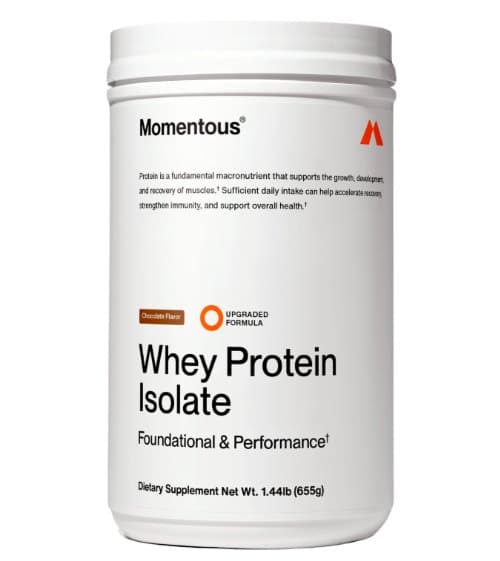 Protein – Performance
Kevin’s Protein Stack:
- Brand: ProMix Nutrition – Protein
- Purpose: Essential for building and repairing muscle.
- Amount: 1 bar.
- Frequency: Daily.
- More Information:
- Kevin eats a protein bar but you can also get protein powders you mix with water or milk.
Where Does The Protein in Your Protein Supplement Come From?
You know protein is essential for muscle growth and recovery—but where does the powder actually come from?
- Whey & casein – The Dairy Duo. Both come from milk during the cheese-making process. Whey digests fast, great for post-workout. Casein digests slowly, ideal before bed.
- Plant-based protein – From The Ground Up. Pea, rice, hemp, and soy proteins are extracted, dried, and blended for a vegan-friendly alternative.
- Egg & beef protein. Egg white protein is highly bioavailable, while beef protein is broken down for easier digestion.
What Does Protein Do in Your Body?
Think of it as the building blocks for muscle, recovery, and overall health.
- Builds & repairs muscle. After a workout, protein rebuilds muscle fibers stronger.
- Keeps you full longer. Protein slows digestion, curbing hunger and preventing cravings.
- Supports metabolism. Your body burns more calories digesting protein than fats or carbs.
For best absorption, pair protein with carbs post-workout or have it between meals to support daily intake.
What Does The Science Say?
Why Protein Matters: According to the University of Georgia Health Center there are 3 key reasons to take a protein supplement:
- Helps grow your muscles
- Helps you eat less because protein makes you feel fuller
- Protein supplements are a relatively cheap way to get your protein intake up (instead of steak or chicken etc).
Taurine
Best Taurine:
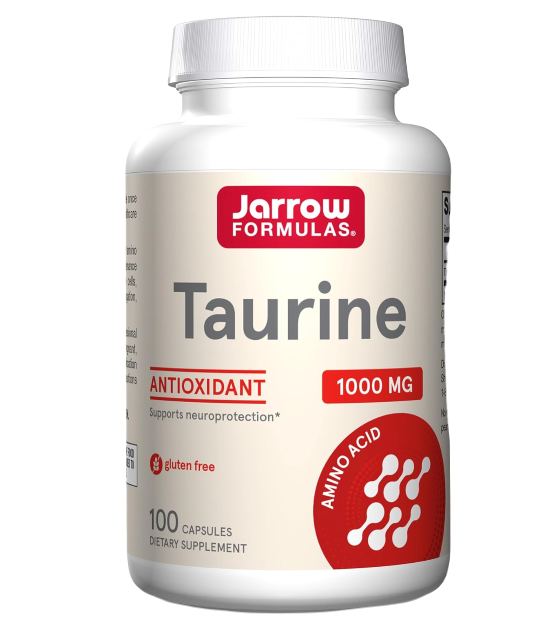 Taurine – Longevity
Kevin Rose’s Taurine Stack:
- Brand: Jarrow Formuas – Taurine
- Purpose: Longevity.
- Amount: 1 gram.
- Frequency: Daily.
- More Information:
- Kevin Rose takes taurine because it is recommended by his friend Dr. Rhonda Patrick.
What Does The Science Say?
Why Taurine Matters: According to Columbia University Irving Medical Center there are 3 main reasons to take a taurine supplement:
- Has shown anti-aging effects in animal studies
- Some studies have shown it to reduce the risk of heart disease, diabetes and obesity
- Helps your body repair DNA.
PQQ
Brand: Jarrow Formulas.
Purpose: Longevity.
Why PQQ Matters: According to UC Berkeley there are 3 key things PQQ does for longevity:
- Promotes creation of new mitochondria
- Has strong anti-inflammatory properties
- Protects neurons and helps nerve growth in your brain.
Amount: 20 mg.
Frequency: Daily.
More Information:
- PQQ is often called “the longevity vitamin.”
- Found naturally in lower doses in papaya, kiwi, spinach, celery and parsley.
Ergothioneine
Brand: Life Extension.
Purpose: Longevity.
Why Ergothioneine Matters: According to Nature.com there are 3 key reasons to take ergothioneine for longevity:
- Shows a drastic reduction in oxidative stress
- Protects organs from damage from oxidative stress
- Slows cognitive decline and helps prevent Parkinson’s and heart disease.
Amount: 5 mg.
Frequency: Daily.
More Information:
- Research backs ergothioneine’s ability to reduce oxidative stress in the human body.
Get Ergothioneine For Longevity →
Zinc Lozenges
Brand: Life Extension.
Purpose: Cold relief.
Why Zinc Matters: According to the MayoClinic Zinc:
- Stops the spread of the cold virus in your body
- Most effective when taken within 24-hours of cold symptoms.
Amount: As needed.
Frequency: As needed.
More Information:
- Lozenges or syrup is the recommended method of delivery for Zinc.
Common Questions About Kevin Rose’s Supplements 🙋
How much does he spend per month on his supplements?

Calcs:
Vitamin D3 VESIsorb (Pure Encapsulations)
- Price: $42.40 for 60 capsules.
- Daily Dose: 1 capsule.
- Cost Per Month: $21.20.
Ubiquinol VESIsorb (Pure Encapsulations)
- Price: $122.00 for 60 capsules.
- Daily Dose: 1 capsule.
- Cost Per Month: $61.00.
Collagen JS (Pure Encapsulations)
- Price: $44.40 for 60 capsules.
- Daily Dose: 4 capsules (2 twice daily).
- Cost Per Month: $88.80.
MegaFood Advanced Multivitamin
- Price: $30.99 for 60 tablets.
- Daily Dose: 2 tablets.
- Cost Per Month: $30.99
O.N.E. Omega (Fish Oil) (Pure Encapsulations)
- Price: $39.20 for 120 capsules.
- Daily Dose: 2 capsules (2g of Omega-3).
- Cost Per Month: $19.60 (one bottle lasts 60 days)
CON-CRET Creatine HCl Capsules
- Price: $19.99 for 48 capsules.
- Daily Dose: 1-2 capsules (750mg daily, 1.5g on workout days).
- Cost Per Month: $19.99.
ProMix Nutrition Protein Puff Bars
- Price: $33.99 for a 12-pack of bars.
- Daily Use: 1 bar on low-protein or workout days.
- Cost Per Month: $33.99 (assuming one bar every day).
Taurine (Jarrow Formulas)
- Price: $10.20 for 100 capsules.
- Daily Dose: 1g (1 capsule).
- Cost Per Month: $3.06 (one bottle lasts 100 days).
PQQ (Jarrow Formulas)
- Price: $29.99 for 30 capsules.
- Daily Dose: 20mg (1 capsule).
- Cost Per Month: $29.99.
Ergothioneine (Life Extension)
- Price: $17.00 for 30 capsules.
- Daily Dose: 5mg (1 capsule).
- Cost Per Month: $17.00.
Zinc Lozenges (Life Extension)
- Price: $9.00 for 60 lozenges.
- Daily Use: As needed (used only when feeling a cold coming on).
- Cost Per Month: Minimal (depends on use).
💰 Total Monthly Cost: $325.62
What if he stops taking all the supplements – does he lose all the benefits he once had?
Supplement related benefits are not permanent. Over a certain amount of time Kevin’s levels of each supplement will go to 0 and all the benefits gained will eventually decline to 0.
What other routines and habits does Kevin Rose do for his longevity?
You can check out Kevin Rose’s daily routine here.