
 Fasting is a cheat code for your body and brain, but are the benefits too good to be true?
When you think about it, fasting makes perfect sense.
Hundreds of thousands of years ago, our ancestors needed to be at their physical and mental best while hunting for their next meal—often while fasting.
Fasting is believed to have evolved as a survival mechanism, sharpening focus and boosting energy through the release of adrenaline and other stress hormones—it’s what drives our bodies to perform at their peak efficiency.
Today, scientists believe this ancient survival cheat code could be the key to longevity.
Fasting Benefits Breakdown:
- Turns your body into a fat-burning machine. When you fast, your body flips a switch and starts burning fat for energy instead of sugar.
- Gives your brain a power-up. Fasting triggers a brain boost by releasing a protein called brain-derived neurotropic factor (BDNF). This helps with memory, focus and building new brain cells. Think of it as giving your brain a supercharge power-up.
- Cleans out the junk on a cellular level. Fasting kickstarts a process called autophagy—a fancy word for your cells cleaning out the junk. It’s like a detox for your body at the cellular level. It helps you live longer and avoid diseases like diabetes and heart disease.
From skipping meals to fasting for days, let’s explore the most popular methods of fasting and how you can start feasting on the benefits.
How To Start Fasting Today
No Need To Complicate This
 Skip breakfast.
That’s it.
Don’t eat anything till Noon. Do that again tomorrow…
…And again the day after.
Do it for an entire week.
Boom!
You just completed one week of intermittent fasting.
How do you feel?
Fasting Frameworks: Discover What Works For You
Pick One and Try

- Example: Fast for 18 hours (7 PM → 1 PM) and eat within a 6-hour window only (1 PM → 7 PM).
- Benefits: Easy to integrate into daily life, supports weight management and insulin sensitivity.
- Duration: Flexible; typically daily schedules.
- Considerations: Finding the best fasting window may require experimentation.

- Example: Eat normally on Monday, fast entirely or limit calories to 500 on Tuesday, and repeat.
- Benefits: Long-term weight management, better metabolic health.
- Duration: Ongoing, alternating days indefinitely or for a set period.
- Considerations: May be challenging for consistent energy levels or social meals.

- Example: Eat one large meal at 6 PM and fast for the remaining 23 hours.
- Benefits: Simplicity, calorie control, and potential for deep ketosis.
- Duration: Often used as a daily routine.
- Considerations: Can be challenging for nutrient balance if not planned well.

- Example: Fast for 72 hours, consuming only water and electrolytes.
- Benefits: Profound autophagy, weight loss, mental clarity.
- Duration: Can last up to several weeks under strict medical supervision.
- Considerations: Requires preparation, gradual refeeding, and electrolyte management.

- Example: Eat all meals between 10 AM → 6 PM, fasting for the remaining 16 hours.
- Benefits: Improves circadian rhythm alignment, supports metabolic health.
- Duration: Daily; popular windows include 8 hours (16:8) or 10 hours (14:10).
- Considerations: Easier to adopt for beginners.
Styles of Fasting
Less Rules. More Rules. Most Rules.

Dirty Fasting
Example:
Consuming minimal-calorie beverages or foods like coffee with cream, bone broth, or diet soda during fasting periods. For instance, adding a tablespoon of MCT oil to black coffee.
Benefits:
- Easier to adhere to compared to strict fasting.
- Can help suppress appetite, making fasting more sustainable.
- Still triggers many benefits of fasting, such as fat burning and reduced insulin levels.
Considerations:
- May slow down autophagy and other deep fasting benefits compared to strict water fasting.
- Requires careful calorie monitoring to avoid unintentionally breaking the fast.
- Some people may experience digestive issues with certain “dirty” fasting foods or drinks.
Water Fasting
Example:
Drinking only water for 24–72 hours. For example, someone might consume nothing but plain water over a weekend to reset their body and mind.
Benefits:
- Promotes autophagy, the cellular cleaning process.
- May lower blood pressure and improve insulin sensitivity.
- Helps reset taste buds and reduce sugar cravings.
Considerations:
- Not recommended for beginners or without medical supervision for extended periods.
- May cause fatigue, dizziness, or nutrient deficiencies if prolonged.
- Avoid during periods of intense physical activity or work that requires high focus.
Dry Fasting
Example:
Refraining from all food and water for 12–24 hours, such as fasting from sunset to sunset during a spiritual retreat.
Benefits:
- Intense autophagy effects compared to water fasting.
- May reduce inflammation and promote faster fat loss.
- Provides a spiritual or mental clarity component due to its restrictive nature.
Considerations:
- Dehydration is a major risk; not suitable for extended periods.
- Avoid during hot weather or strenuous activities.
- Not recommended for those with kidney issues or other underlying health conditions.
Tools To Help You Fast
Fasting is free but here are some helper tools.

- Monitor key health metrics and stay on track with your fasting schedule.
- Integrate with apps like Zero to provide reminders and progress updates.
- Track heart rate and sleep during longer fasts.
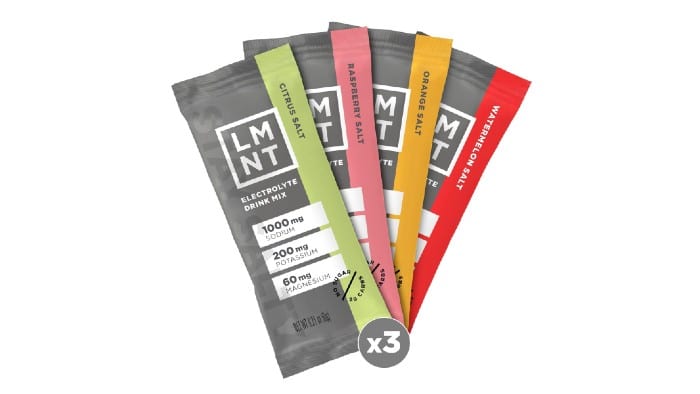
- Important in water and dirty fasting styles.
- Help prevent dehydration when fasting and its symptoms: dizziness, fatigue and muscle cramps.
- Crucial in breaking your fast to restore balance.
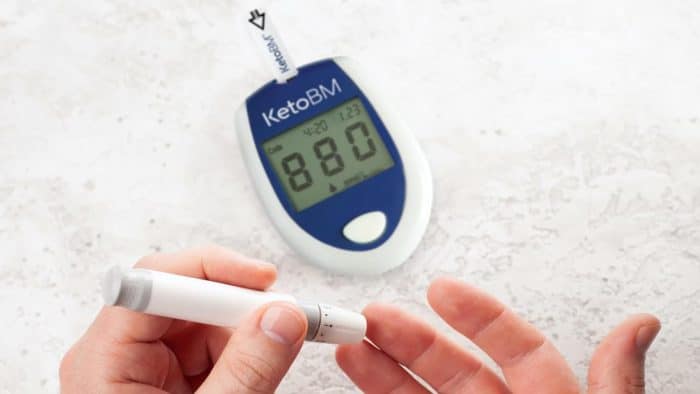
- Measure your blood ketone levels during fasting to learn when you enter fat-burning mode.
- Motivates you to stay consistent with fasting for weight loss and increased energy.
- Painless and easy to use.
Fast Like a Former UFC Champion
 Fast like GSP to become the best version of you.
Georges St-Pierre (GSP) is arguably the greatest UFC fighter of all time (GOAT).
He is also well-known on social media for his fasting lifestyle. He does daily intermittent fasting and quarterly 3-day water fasts.
Here’s how he does it:
Daily Intermittent Fasting
GSP’s main fasting framework is intermittent fasting. He does this daily and swears by it.
- Eating Window: GSP has an 8 hour (Noon – 8 PM) window where he eats 1 – 2 big meals.
- Fasting Window: GSP fasts for at least 16 hours everyday. The fasting window is overnight (e.g., 8 PM – Noon the next day).
- Purpose: Weight management and improved metabolic health.
Extended Water Fasts
4 times a year GSP will also do extended water-only fasts. He usually links these up with big yearly events like New Years and his May birthday.
- Frequency: 4 times a year.
- Duration: 3 days (72 hours) each fast.
- Intake: Only water, no food or supplements.
- Adjustments: GSP works out daily but during extended water fasts he reduces workout intensity, especially on Day 3.
- Purpose: Alleviates ulcerative colitis symptoms and boosts overall health.
Now the fun part.
How To Break Your Fast: Cheat Meals vs. Science-Backed Approach
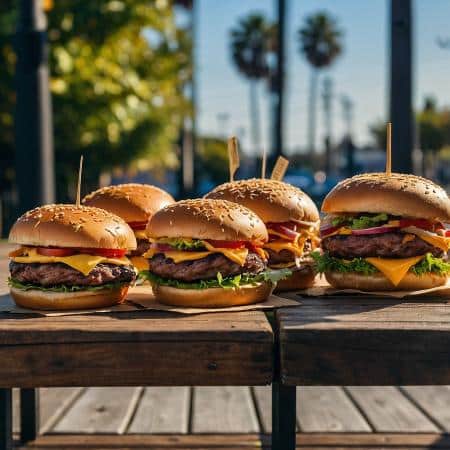
Now what we all want to know:
- How bad is it to break your fast with a cheat meal of burgers, pizza and/or chocolate cookies?
Well, here’s your answer.
Fact is: Breaking your fast is a crucial moment.
You can either enhance the benefits of fasting or minimize them.
Here’s how to navigate both options while keeping your health and goals in mind.
The Science-Backed Way to Break Your Fast
After fasting, your body is in a sensitive state: your insulin levels are low, your digestive system has slowed, and your cells are ready to absorb nutrients. This is why it’s important to ease into eating with nutrient-dense, gentle foods.
Start with Hydration:
- A glass of water, herbal tea, or water with a pinch of sea salt helps rehydrate your body and wakes up your digestive system.
Ease In with Light, Nutrient-Dense Foods:
- Proteins: Eggs, bone broth, or lean chicken stabilize blood sugar and aid in recovery.
- Healthy Fats: Avocado, olive oil, or nuts provide long-lasting energy.
- Low-Glycemic Carbs: Berries, zucchini, or a small sweet potato give your body natural energy without spiking insulin.
Wait Before Your Next Meal:
- After your first small meal, give your body 30–60 minutes to adjust before eating more. This prevents digestive overload.
Can You Break Your Fast with a Cheat Meal?
The short answer is yes, but there are trade-offs. A cheat meal can satisfy cravings, but it comes with risks:
- Blood Sugar Spike: Foods high in sugar or refined carbs (like pizza or donuts) can cause a rapid insulin surge, leading to energy crashes and hunger later.
- Digestive Discomfort: After fasting, greasy or heavy foods may overwhelm your digestive system, causing bloating or nausea.
- Lost Benefits: A cheat meal right after fasting might reduce the benefits of improved insulin sensitivity or cellular repair (autophagy).
How to Balance Both Approaches
If you want the best of both worlds—reaping fasting benefits while still enjoying an indulgence—here’s how to do it mindfully:
Start the Right Way
Begin with a small, balanced meal (like eggs and avocado) to stabilize blood sugar and prepare your digestive system.
Have the Cheat Meal Later
Save the indulgence for your second meal. For example, enjoy pizza or a burger after your body has adjusted to eating again.
Pair Cheat Foods with Healthier Options
Add a side of greens or drink water alongside your cheat meal to balance the impact and aid digestion.
Be Mindful of Portion Sizes
Enjoy your cheat meal without going overboard. Savor the indulgence, but don’t let it derail your progress.
The Verdict: Science and Satisfaction Can Coexist
Hydrate and start with a light, nutrient-dense meal to maximize the health benefits of fasting.
If you need that cheat meal—wait until your body has adjusted to eating again.
The key is balance.
The Science Behind Fasting
5 Proven Benefits

Improved Blood Sugar Control
Intermittent fasting can enhance insulin sensitivity, leading to better blood sugar regulation. A study published in the Annals of Internal Medicine found that participants practicing time-restricted eating experienced improved blood sugar control compared to those who did not.[1]
Enhanced Heart Health
Fasting may reduce risk factors associated with cardiovascular diseases, such as lowering blood pressure, cholesterol levels, and triglycerides. Research indicates that intermittent fasting can lead to reductions in these risk factors, potentially improving heart health.[2]
Promotion of Autophagy
Fasting triggers autophagy, a cellular process that removes damaged components, thereby promoting cellular repair and regeneration. A study by MIT researchers revealed that refeeding after fasting activates pathways enhancing intestinal stem cell regeneration, highlighting the role of fasting in cellular health.[3]
Potential Longevity Benefits
Animal studies suggest that fasting can extend lifespan by improving metabolic health and reducing oxidative stress. While more research is needed in humans, these findings indicate that fasting may have longevity benefits.[4]
Reduced Inflammation
Fasting Questions, Answered
How long should I fast to see results?
It depends on your goals:
- 16/8: Daily for weight loss and energy.
- 24 hours: 1–2 times per week for fat burning.
- 48–72 hours: For cellular repair (with medical supervision).
Consistency is key—choose what fits your lifestyle.
Can I have coffee or tea while fasting?
Yes, as long as it’s calorie-free (black coffee or plain tea). Adding cream or MCT oil is allowed in “dirty fasting” but may reduce fasting benefits like autophagy.
Should I work out while fasting?
Yes, but listen to your body. Fasted workouts can enhance fat burning, especially cardio. For strength training, some may feel weaker. If you’re new to fasting, start with light activity and hydrate.
Try Our Fasting Challenge:
References
- Time-Restricted Eating in Adults With Metabolic Syndrome.
- Intermittent fasting and longevity.
- Short-term post-fast refeeding enhances intestinal stemness via polyamines.
- Five Days Periodic Fasting Elevates Level of Longevity Related Christensenella and Sirtuin Expression in Humans.
- Effects of intermittent fasting diets on plasma concentrations of inflammatory biomarkers.