
 For thousands of years, people around the world have used meditation to find clarity, reduce stress, and feel better every day.
From monks in temples to samurai in training and athletes chasing greatness, they all knew its power.
At its core, meditation is sitting with your thoughts, watching them come and go, and realizing they’re just your brain processing reality.
This practice builds self-awareness and emotional control, making it a powerful tool for everyday life:
- It keeps you calm during chaotic workdays: Meditation helps you pause and focus amidst distractions, keeping you grounded under pressure.
- It helps you pause before snapping at your kids: By noticing emotions like frustration, meditation gives you the space to respond thoughtfully instead of reacting impulsively.
- It sharpens your focus when life feels overwhelming: Training your mind to return to the present moment strengthens your ability to prioritize and concentrate.
This guide makes meditation simple and approachable.
Let’s get started.
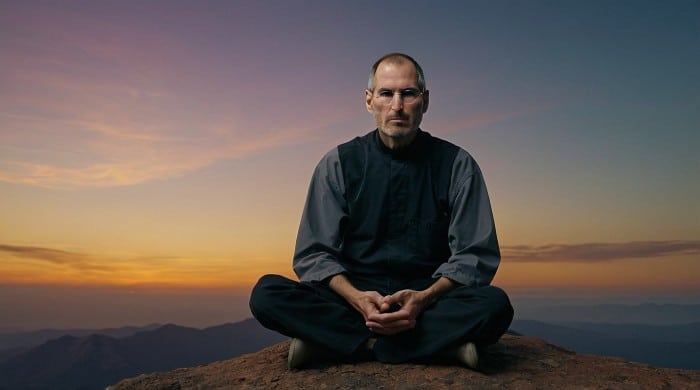
Remarkable People Known For Their Meditation Ritual


Popular Meditation Tools
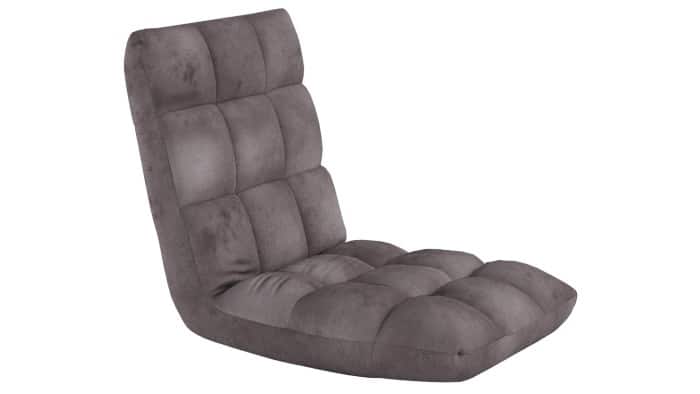
- Focus on meditation not your aching back.
- Made of memory foam and has adjustable back setting.
- Kids and teens love it.

- Use as a timer for your meditation.
- Use for the relaxing & refreshing aroma.
- Affordable and comes in 7 scents.
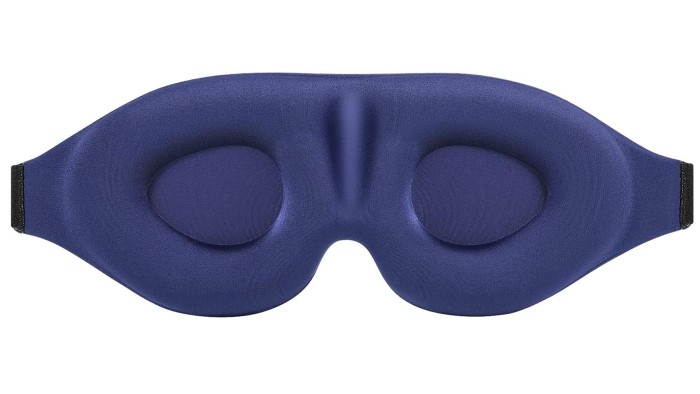
- Avoid distractions and fully focus.
- Mask has deeper eye space for extra comfort.
- Works for meditation, travel and sleeping.
What Is Meditation, Really?
A Simple Definition
Meditation is the practice of focusing your mind and being present. It’s not about “thinking about nothing” but about observing your thoughts without judgment.
Busting the Myths
You don’t need to be a monk, sit cross-legged, or meditate for hours. It’s about finding what works for you and practicing regularly.
The Many Types of Meditation
There are different approaches, like focusing on your breath, using guided meditations, or practicing mindfulness by being aware of the present moment.
Why Meditate? (Even If You’re Skeptical)
Reduce Stress and Anxiety
Meditation helps calm the mind and relax the body, making it a powerful tool to manage daily stress and overwhelming feelings.
Improve Focus and Decision-Making
By training your brain to stay present, meditation enhances your ability to concentrate and make clearer, more thoughtful decisions.
Feel More Connected
Regular meditation can help you feel more in tune with yourself, your emotions, and the people around you.
How to Get Started Today Even if You’ve Never Meditated Before
All you need is 5 minutes and a quiet, comfortable spot.
Before You Begin
Meditation takes commitment and consistency to yield long-term benefits.
Ask yourself:
- What’s your goal? If you want a quick fix (e.g., calming down in a heated moment), techniques like controlled breathing may be better.
- Are you ready for consistency? Meditation works best with daily practice over weeks or months.
- Can you create space and time? Find a private, distraction-free space and commit at least 10 minutes daily.
- Are you mentally ready? Meditation helps with self-awareness but can bring up emotions. Seek professional help if you face serious mental health challenges.
What You Need
- Quiet Space: Minimize distractions—turn off notifications and ask for privacy.
- Comfortable Position: Sit, lie down, or stand in a way that doesn’t strain your body.
- Timer: Start with 5–10 minutes to guide your session and track progress.
- Prepare Physically: Address basic needs like hunger, thirst, or fatigue before starting.
Simple 5-Minute Meditation Routine:
1. Get Comfortable
- Sit or lie down in a relaxed position.
- Take a few deep breaths, using the 7-4-7 method: inhale for 7 seconds, hold for 4, exhale for 7.
2. Close Your Eyes
- Helps reduce visual distractions and focus inward.
3. Focus Your Mind
- Choose a simple focus point: Your breath. The sound of a clock ticking. Physical sensations, like how the air feels on your skin.
4. Let It Flow
- Don’t fight random thoughts. Acknowledge them, then gently return to your focus point.
5. Set Your Time
- Start with as long as you can manage (5–10 minutes is ideal). Increase gradually as it feels natural.
6. Allow Movement if Needed
- If you need to scratch an itch or adjust your position, do so without guilt.
7. Embrace the Silence
- Over time, distractions fade, and you’ll experience profound stillness—a feeling of being fully present and disconnected from external noise.
8. Refresh
- Afterward, take note of how you feel. Meditation often brings clarity, calm, and insight into your life.
9. Reflect
- Meditation isn’t about clearing your mind—it’s about noticing your thoughts and returning to the present. With practice, it sharpens focus, reduces stress, and brings clarity. Start small and stay consistent to see the benefits.
Common Challenges and How to Overcome Them
“I Can’t Stop My Thoughts!”
- Meditation isn’t about silencing your mind. It’s about observing your thoughts without getting caught up in them.
“I Don’t Have Time.”
- Start with just one minute. Everyone has 60 seconds to spare, and once you start, you’ll likely want to keep going.
“It Feels Weird.”
- That’s normal at first. Stick with it for a week or two—it gets easier and starts to feel more natural over time.
Take It Further: From Beginner to Buddha-Level Calm
- Explore Longer Sessions. Once you’re comfortable with 5 minutes, try extending your sessions to 10 or 20 minutes to deepen your practice.
- Try Different Styles. Experiment with mindfulness, loving-kindness (sending positive thoughts to others), or body scan meditations to see what resonates most.
- Use Apps or Resources. Apps like Calm, Headspace, or Insight Timer can guide you through meditations and help you track your progress.
Your First Meditation Challenge
- A 7-Day Plan. Commit to meditating for 5 minutes every day for a week. Use this time to establish a routine and see how you feel.
- Journal Your Experience. After each session, jot down how it went. What felt good? What was hard? Tracking your progress keeps you motivated.
- Reflect After a Week. Notice how meditation has impacted your mood, focus, or stress levels. Even small changes are a big win.