
- Jump to a proven skincare routine.
- Try it for at least 1-month.
- Reap the rewards.
↓
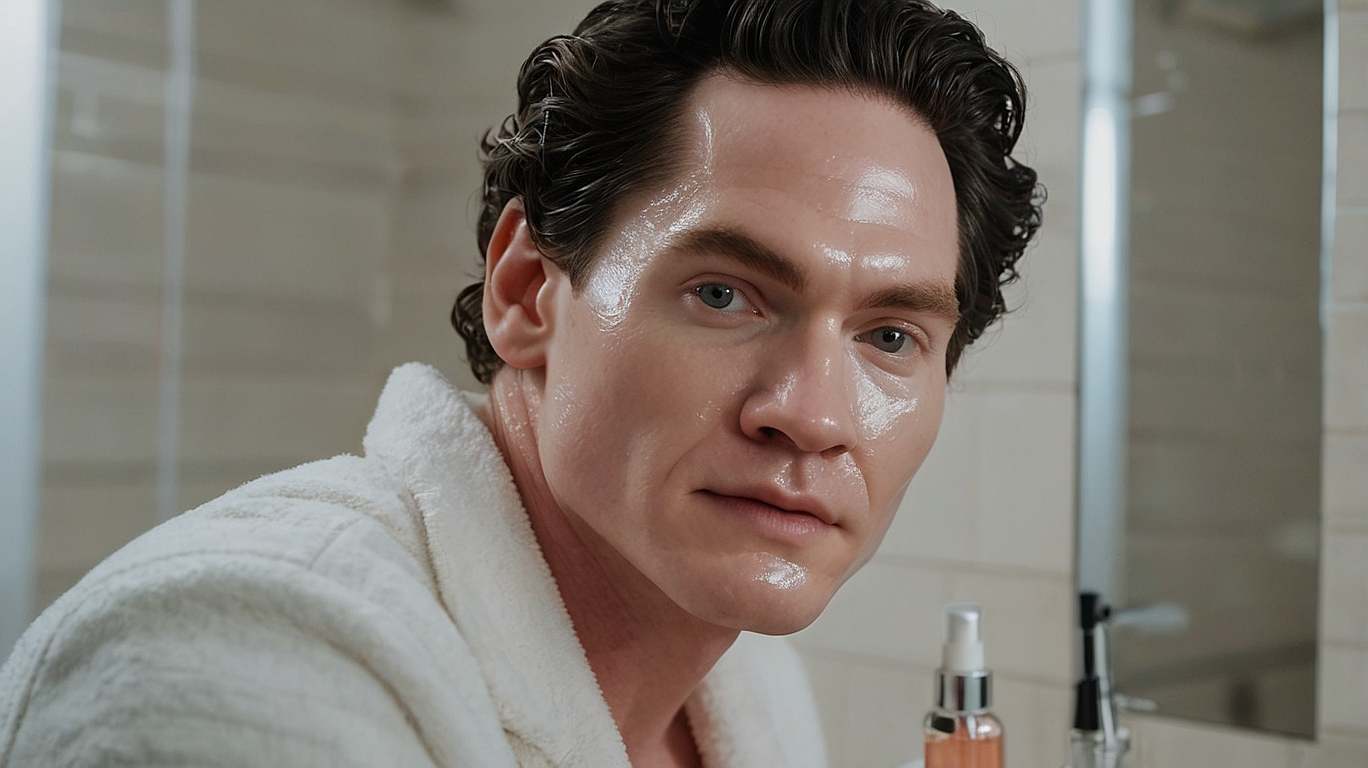
- Uses extensive medical consultations and data to tailor his skincare routine.

- Dedicated to skincare not just for beauty but also overall health.
Jump To Routine →

- All about consistency and science-backed simplicity.
Jump To Routine →
Most Popular Skincare Routine Products
🧴

- EltaMD UV Clear Broad-Spectrum SPF46.
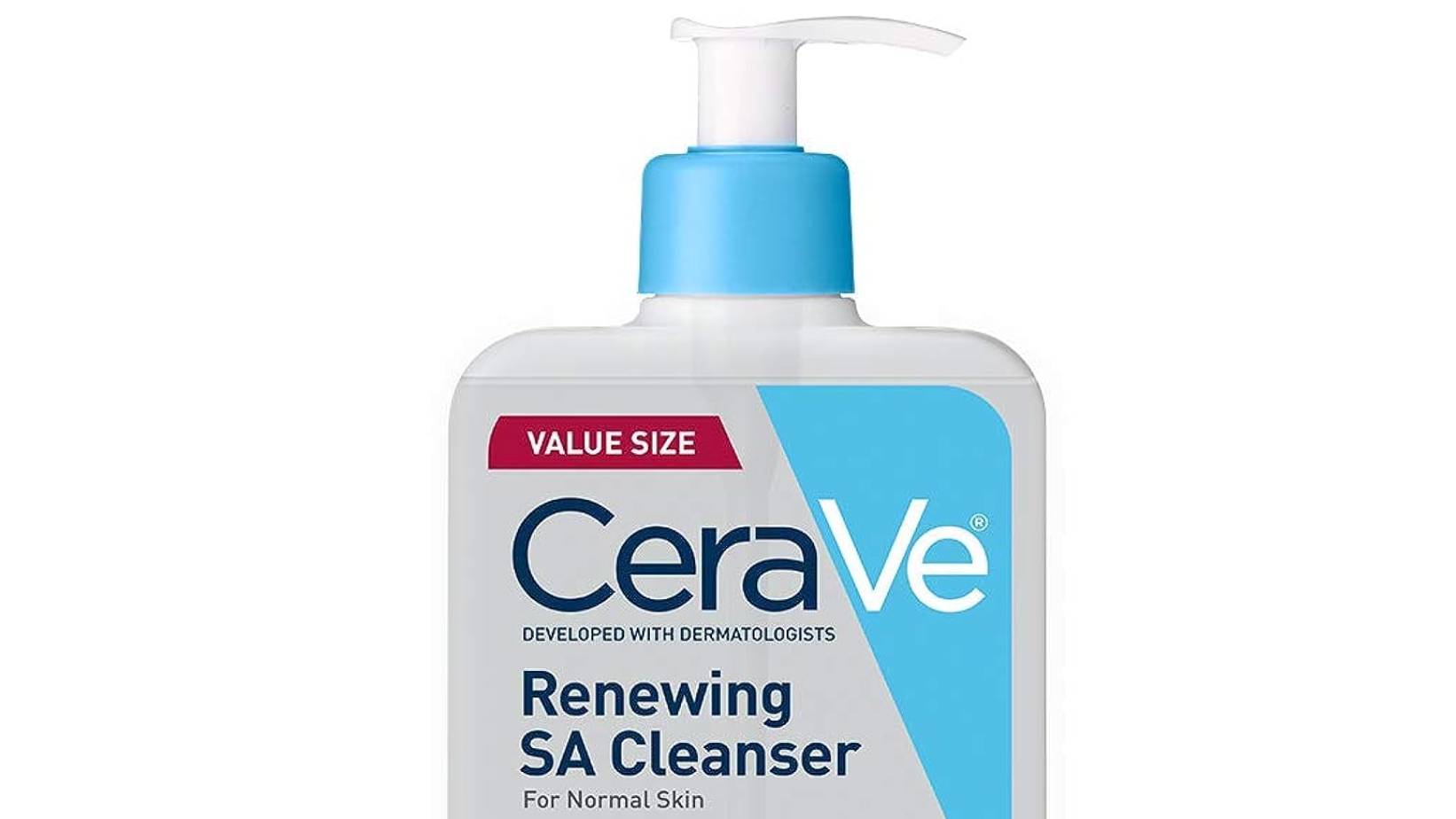
- CeraVe acne control cleanser.

- Adipeau Active face cream.
Beyond Beauty: The Secrets Of Skincare Science
 Pharrell Williams—music producer and singer—is well known for his youthful appearance. When asked about his skincare routine, he famously said:
“Exfoliation is the key.”
Is this true?
Is exfoliation all you need to do?
What does the proven science say about the best skincare practices?
Let’s find out.
1. Skin Structure and Function
To learn how to best care for your skin—you first need to re-learn (grade 8 biology) the basics of skin structure and function.
3 Skin Layers
- Epidermis. The outer layer acts as a barrier and first line of defense to protect you from pollutants and pathogens. This barrier protects your internal organs and maintains hydration. Key molecules like ceramides and fatty acids strengthen the layer.
- Dermis. The middle layer provides elasticity and structure support. It contains collagen, elastin and blood vessels.
- Subcutaneous Tissue. The innermost layer insulates and cushions your skin.
2. The Benefits of The Most Common Skincare Ingredients

Cleaners
- Gentle surfactants like cocamidopropyl betaine and sodium lauroyl sarcosinate. These lift dirt, oil and other pollutants from the skin surface.
Exfoliants
- AHAs (alpha-hydroxy acids). Glycolic acid, lactic acid, mandelic acid. Water-soluble. Works on the skins surface—does not penetrate deep. Removes dead skin cells and promotes cell turnover. Improves texture & clarity of skin and helps the absorption of other skincare products.
- BHAs (beta-hydroxy acids). Salicylic acid. Oil-soluble. Penetrates deep into the skin pores. Dissolves excess oil to reduce sebum production (stops acne). Reduces inflammation and congestion. Best for acne management.
Antioxidants
- Vitamin C & Vitamin E. Help to neutralize free radicals formed from UV exposure and pollution.
- Green tea extract. Offers protection against environmental damage.
- Niacinamide. Helps reduce inflammation to counteract the effects of pollution.
Moisturizers
- Humectants. Glycerin and hyaluronic acid attract water to the skin, increasing hydrogen and plumping up fine lines.
- Emollients. Squalane smooths the skin surface.
- Occlusives. Petrolatum create a barrier to retain the moisture.
Sunscreens
SPF 15 blocks 93% of UV rays.
SPF 30 blocks 95%.
SPF 50 blocks 97%.
Dermatologists recommend SPF 30 and above for extended outdoor sun protection. SPF 15 is fine to protect you if you spend most of the day indoors and receive indirect sunlight.

- Zinc oxide. Mineral sunscreen. Sits on the skin surface and reflects the UV rays away from the skin. May feel heavier than chemical sunscreen. Australian cricket players wear zinc sunscreen to protect their skin from the Australian sun as they play cricket outdoors all-day.
- Avobenzone. Chemical sunscreen. Absorbs UV rays, converting them into heat and then releasing the heat. Only protects against UVA rays so needs to be combined with a UVB blocking chemical. Also needs to be combined with a stabilizing chemical like octocrylene.
3. Anti-Aging and Skin Renewal

Retinoids
- Retinol (vitamin A). Improve collagen production. Speed up cell turnover. Reduce wrinkles. May cause irritation.
- Tretinoin. Stronger version of retinol. You will need a Dr. prescription to get.
Collagen and Elastin Support
- Peptides. Stimulate collagen production, maintain skin firmness and elasticity over time. Used to prevent sagging and improve skin texture.
4. Protection Against Environmental Stressors
UV Radiation
UVA and UVB rays from the sun are responsible for 80% of skin aging. Compare your bum skin to your face skin to see the difference—one gets all the sun rays and one gets nearly zero. Sunscreen is your #1 protector.
Pollution and Blue Light
Studies have shown pollution and blue light from device screens can cause oxidative stress in the skin. Antioxidants and sunscreens can help stop these effects.
5. Individualized Skincare and Skin Types
Understanding Skin Types
- Oily skin. If you have oily skin you want to avoid oily skincare products. Look for the designation oil-free.
- Sensitive skin. Skincare products will tell you if they are for people with sensitive skin.
- Dry skin. Richer, thicker products are best for people with dry skin.
- Combination skin. If you are starting out your skincare journey you may want to start with the assumption you have combination skin—somewhere in the middle of dry and oily skin.
Personalized Skincare
The science of skincare has come a long way. Dermatologists can prescribe targeted treatments for whatever your main concern or goal is—acne, hyperpigmentation or anti-aging.
Example Daily Skincare Routine
Morning
Wakeup Skincare Routine
- 🧼 Cleanser: Start with a gentle cleanser to remove any oils or impurities that accumulated overnight.
- 🍊 Antioxidant Serum: Apply a vitamin C serum or another antioxidant (like niacinamide) to help protect against environmental damage and free radicals, which contribute to aging and dullness. Antioxidants also enhance the effectiveness of sunscreen
- 💧 Moisturizer: Follow with a lightweight, hydrating moisturizer to maintain skin hydration throughout the day.
- ☀️ Sunscreen: Use a broad-spectrum SPF 30+ sunscreen as the final step to protect against UVA and UVB rays, especially since retinoids increase sun sensitivity. This is critical for preventing photoaging, sunburn, and hyperpigmentation
Evening
Before Bedtime Skincare Routine
- 🧼 Cleanser: Start by cleansing to remove impurities and prepare your skin.
- 🧖♀️ Exfoliant (if not using retinoid the same night): Use chemical exfoliants 2-3 times a week, but avoid using them with retinoids in the same routine, as this can increase irritation.
- 🍊 Antioxidants (Optional in evening): Antioxidants like vitamin C are best for morning use, but some gentle ones (e.g., niacinamide) can be applied before retinoids at night.
- ✨ Retinoid: Apply your retinoid next. Start with a small amount and increase gradually to help your skin adjust.
- 💧Moisturizer: Follow with a moisturizer to help minimize potential dryness or irritation from the retinoid.
Important Notes:
- ☀️ Use Sunscreen the next morning when using retinoids in your nighttime routine, as they can increase sun sensitivity.
- Alternate Nights for exfoliants and retinoids to prevent irritation.