
Just imagine: They laughed when you pulled out the guitar—but when you started playing Sweet Home Alabama, the room fell silent, heads began to nod, feet started stomping, and everyone started singing along.
Or that one time you grabbed 3 oranges and started juggling. It only took 30 mins/day for 3 weeks to learn decently, but your nieces and nephews were impressed—to them, it was pure magic.
Now imagine handing your dad a cleaver you forged. Then, at the dinner table, you cut the roast and ribs for him, and he couldn’t stop showing it off to everyone at the table.
That’s the power of skillcrafting: It’s not just a hobby—it’s the art of turning curiosity into real, measurable skills.
Here’s what it does:
- It builds real skills you can show off and use, from physical tricks to practical crafts.
- It teaches you how to learn—by breaking big goals into small, achievable steps.
- It builds a practice mindset that you can apply to anything in life.
The only question left is: What will you learn first?
Remarkable Skillcrafters
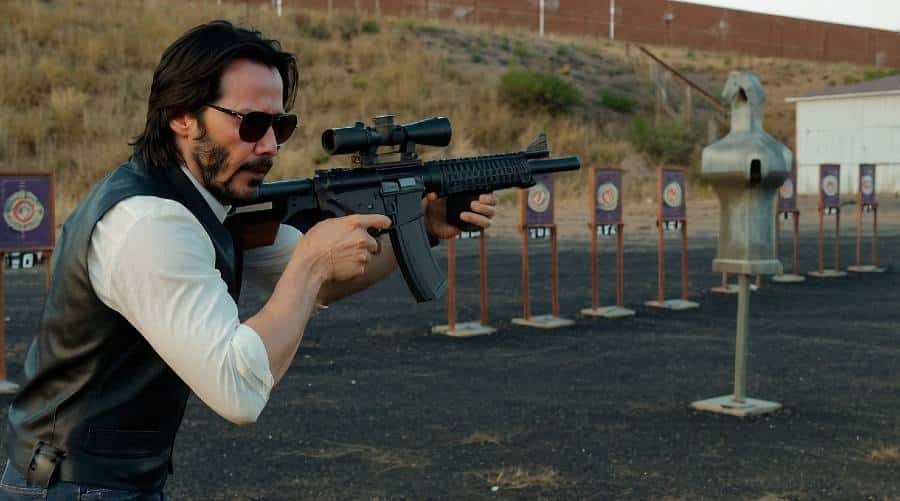
Keanu Reeves is the ultimate skillcrafter—he takes on every role with a practice mindset, breaks skills into simple steps, and builds real, lasting abilities through pure dedication.
Neo (The Matrix):
- Skills: Kung fu, wire work, and choreographed martial arts.
- How: Months of intensive training with Yuen Woo-ping, focusing on kung fu techniques and fight choreography.
John Wick (John Wick):
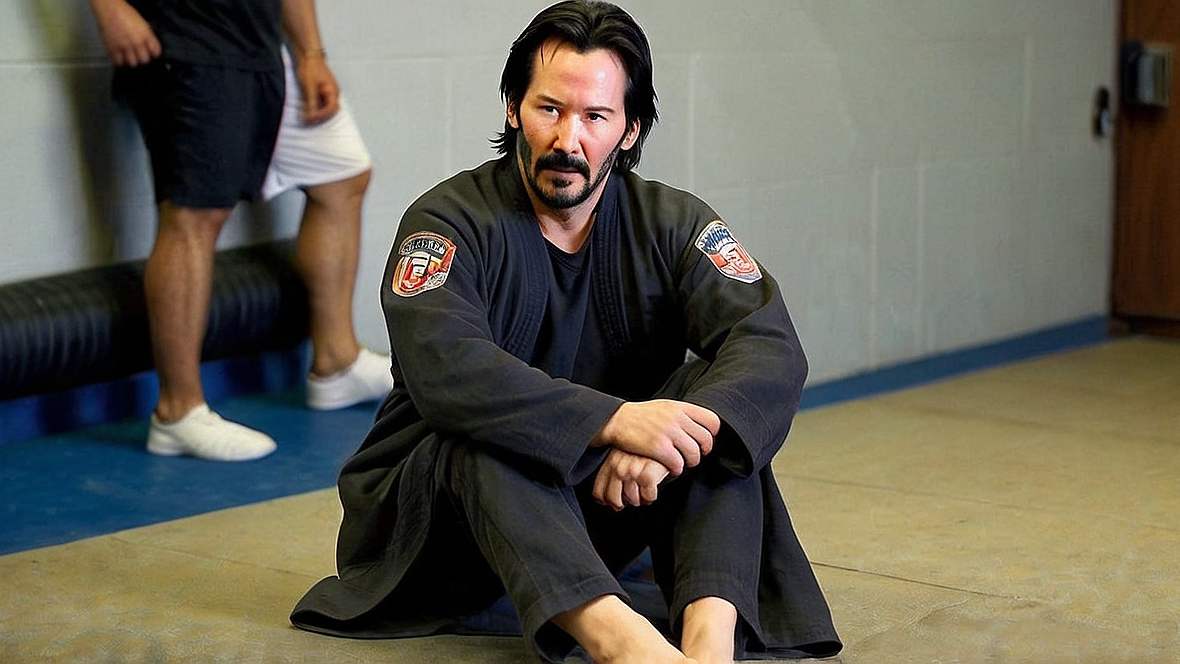
- Skills: Judo, Brazilian jiu-jitsu, tactical shooting, and precision driving.
- How: 4–5 months of daily training (5 hours/day) with 87Eleven Action Design and Taran Tactical Innovations.
Johnny Utah (Point Break):
- Skills: Surfing and skydiving.
- How: Took surfing lessons and practiced skydiving techniques to convincingly portray an FBI agent infiltrating surfers.

Daniel Day-Lewis takes skillcrafting to new-levels by fully becoming his characters—mastering butchery, sewing, or survival. And through relentless practice and hands-on learning, he brings them to life.
Bill ‘The Butcher’ Cutting (Gangs of New York):
- Skills: Butchery and knife-throwing.
- How: Apprenticed with a professional butcher to learn meat-cutting and worked with circus performers to master knife-throwing.
Hawkeye (The Last of the Mohicans):
- Skills: Frontier survival, weapon handling, and tracking.
- How: Lived in the wilderness for months, learning to hunt, track, and build canoes, while practicing flintlock rifle reloading on the run.
Reynolds Woodcock (Phantom Thread):
- Skills: Sewing and couture design.
- How: Spent over a year learning to sew, even recreating a Balenciaga dress, and apprenticed under a professional costume director.

Margot Robbie’s ability to learn and apply unique skills like skating (ice and roller), trapeze, combat, accents, and historical etiquette has made her one of Hollywood’s most dynamic skillcrafters.
Tonya Harding (I, Tonya):
- Skills: Figure skating and competitive choreography.
- How: Trained for five months, practicing four hours a day, five days a week with skating choreographer Sarah Kawahara and figure skater Tina Wang to learn spins, jumps, and routines.
Harley Quinn (Birds of Prey):
- Skills: Roller skating and combat choreography.
- How: Trained extensively in roller skating, including stunts and choreography for fight scenes on skates, working with skating pros to achieve fluidity and confidence in high-energy sequences.
Harley Quinn (Suicide Squad):
- Skills: Gymnastics, combat, and weapon handling.
- How: Worked with stunt teams to learn gymnastics, hand-to-hand combat, and precision movements.

Tom Cruise is a well-known fearless skillcrafter who has redefined what it means to be an action hero.
Ethan Hunt (Mission: Impossible):
- Skills: HALO jumps, helicopter piloting, extreme climbing, and high-altitude stunts.
- How: Trained for months to perform a High-Altitude Low-Opening (HALO) jump, completing 100 practice jumps. Learned to pilot a helicopter to execute dangerous aerial stunts. Scaled the Burj Khalifa, rehearsing for weeks to ensure precision and safety.
Maverick (Top Gun):
- Skills: Aviation and high-speed aerial maneuvers.
- How: Underwent intensive flight training, learning to withstand G-force pressure and flying alongside real Navy pilots to perform authentic aerial stunts in fighter jets.
Nathan Algren (The Last Samurai):
- Skills: Swordsmanship and Japanese culture.
- How: Trained for eight months with a swordmaster, practicing samurai techniques and immersing himself in Japanese history and traditions to accurately portray a 19th-century soldier turned samurai.
Supercharge Your Skillcrafting
Popular Tools

- Hit your goals by tracking your practice and progress.

- Chew this gum to boost your focus, energy and clarity (without the caffeine jitters).
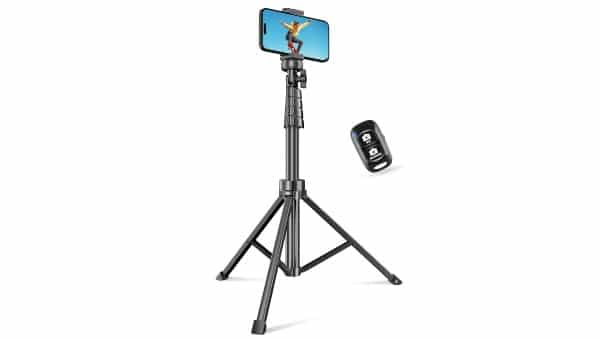
- Video yourself. Watch yourself. Improve your form. Repeat.
How To Start Skillcrafting Today (5 Step Blueprint)
Below is a 5-step blueprint you can apply to learn virtually any skill. The idea is to turn the vague concept of “getting good” at something into a practical, step-by-step process you can follow every day.
1. Pick & Define Your Skill Clearly
Game Plan:
Get specific. Instead of “I want to learn guitar,” say “I want to play the first minute of ‘Sweet Home Alabama’ without mistakes.” The clearer the goal, the easier it is to know when you’ve reached it.
Steps:
- Identify the exact skill (e.g., “I will juggle 3 oranges for 30 seconds.”)
- Set a specific, measurable goal (time-based, technique-based, or outcome-based).
- Note your motivation and expected outcome—this will keep you focused when it’s tough.
2. Break It Down Into Manageable Chunks
Game Plan:
Chop your big goal into smaller steps. For juggling, start with tossing one ball until you’re comfortable, then add more. For a language, master the alphabet, then basic phrases, then build up.
Steps:
- List sub-skills (e.g., “One-ball toss,” “Two-ball pattern,” “Full three-ball juggle”).
- Arrange them from easiest to hardest.
- Use online tutorials (e.g., YouTube “How to Juggle 1 Ball,” “2 Ball Juggling Basics”) to learn each sub-skill in sequence.
3. Create a Consistent, Measured Practice Routine
Game Plan:
Practice a little every day. Short, frequent sessions outperform occasional marathon efforts. Schedule it as if it’s an appointment you can’t miss.
Steps:
- Lock in a practice time (e.g., 20 minutes each morning).
- Set up your space and tools beforehand (place your juggling balls where you’ll see them).
- Follow a simple structure: watch a short how-to clip or tutorial, practice the drill, and repeat until time is up.
4. Track Your Progress & Adjust as Needed
Game Plan:
Keep a simple log. Seeing steady improvement motivates you and shows where to adjust if you’re stuck.
Steps:
- After each session, record what you did, how long, and what improved.
- Note clear metrics (e.g., “Got 15 seconds of juggling today”).
- If stuck, try new drills, watch different tutorials, or ask a coach online.
5. Test & Celebrate Your Mastery
Game Plan:
Prove you’ve got it. Perform the skill in front of someone, record a video, or set a mini “final exam.”
Steps:
- Pick a performance challenge that matches your goal.
- Do it under slightly pressured conditions (e.g., show a friend).
- Celebrate progress, even small wins, and then consider your next skill goal.
In Short:
- Define Your Skill & Goal
- Break It Down Into Sub-Skills (using tutorials as guides)
- Practice Consistently & Methodically (set a schedule, follow simple routines)
- Track Progress & Adjust (log sessions, try new tutorials if stuck)
- Test & Celebrate (perform, record, and acknowledge success)
Master Faster: Realistic Timelines for 11 Impressive Skills
Below are 11 skills listed in order from shortest to longest time to reach an intermediate level.
Each Skill Timeline Tells You:
- Intermediate Definition: What it means to reach a functional, “good enough” proficiency.
- Mastery Definition: What a more advanced or expert level looks like.
- Estimated Time: Rough hours of focused practice.
- Example Schedule: A suggested routine for reaching those levels over time.
1. Performing a Simple Card Trick (Magic)
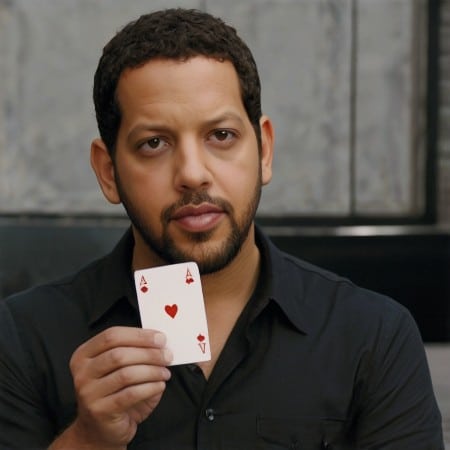
Intermediate (5-10 hours):
- Goal: Execute one simple trick smoothly, with decent patter and basic misdirection.
- Schedule Example: 15 minutes/day for about 2-4 weeks.
Mastery (50-100 hours):
- Goal: Perform multiple tricks fluidly, incorporate showmanship, misdirection, and transition between tricks seamlessly.
- Schedule Example: 15 minutes/day plus occasional “performance tests” for friends or family over 4-8 months.
2. Juggling (3 Objects)
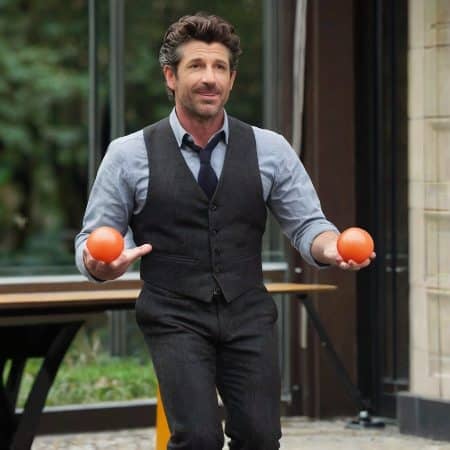
Intermediate (10-15 hours):
- Goal: Juggle 3 objects in a smooth cascade for at least 30 seconds without dropping.
- Schedule Example: ~20 minutes/day for about 1 month.
Mastery (50-80 hours):
- Goal: Perform various juggling patterns, confidently add a 4th object, and transition between patterns.
- Schedule Example: 20 minutes/day for about 5-6 months.
3. Spinning a Basketball on One Finger

Intermediate (10-20 hours):
- Goal: Maintain a stable spin for about 10-15 seconds without losing control.
- Schedule Example: 15 minutes/day for roughly 1-2 months.
Mastery (50-100 hours):
- Goal: Spin confidently for 30+ seconds, switch fingers mid-spin, add some stylistic flair.
- Schedule Example: 15 minutes/day for about 4-8 months.
4. Writing With Your Opposite Hand
Intermediate (20-40 hours):
- Goal: Write legibly with your non-dominant hand—letters and words are recognizable, if slow.
- Schedule Example: 10-15 minutes/day for about 2-4 months.
Mastery (100-200 hours):
- Goal: Write fluidly and comfortably, approaching the neatness and speed of your dominant hand.
- Schedule Example: 10-15 minutes/day for 1-2 years.
5. Basic Blacksmithing / Forging a Simple Knife
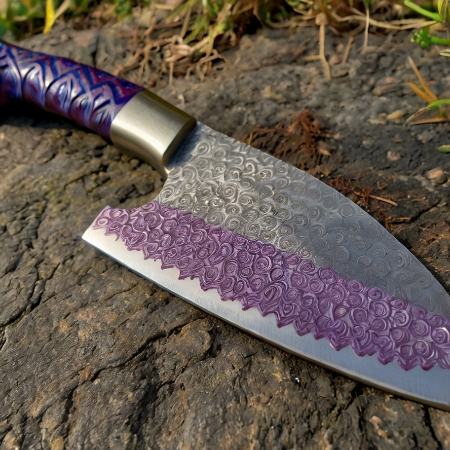
Intermediate (30-50 hours):
- Goal: Successfully forge a simple knife, understand tool handling, basic shaping, and heat treating.
- Schedule Example: 3-4 hours/week for about 3-4 months.
Mastery (200-500 hours):
- Goal: Create high-quality, well-balanced knives with improved aesthetic features and finishing techniques.
- Schedule Example: 3-4 hours/week for 1-3 years.
6. Playing a Simple Song on Guitar
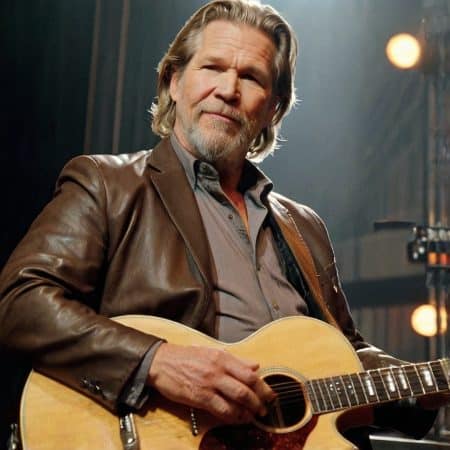
Intermediate (50-60 hours):
- Goal: Play common chords smoothly, maintain rhythm, learn a couple of easy songs start to finish.
- Schedule Example: 20-30 minutes/day for 4-6 months.
Mastery (500-1,000 hours):
- Goal: Fluid chord transitions, fingerstyle proficiency, can learn new songs quickly by ear, confident in various genres.
- Schedule Example: 1 hour/day for 1.5-3 years.
7. Holding a Basic Handstand (Gymnastic Skill)
Intermediate (50-100 hours):
- Goal: Hold a freestanding handstand for about 10-20 seconds with decent form.
- Schedule Example: 15 minutes/day plus weekly specific drills, over 4-8 months.
Mastery (200-400 hours):
- Goal: Hold a 60+ second handstand comfortably, control entries and exits, and perform different shapes.
- Schedule Example: 15-20 minutes/day for 1-2 years.
8. Photography (Basic to Intermediate)
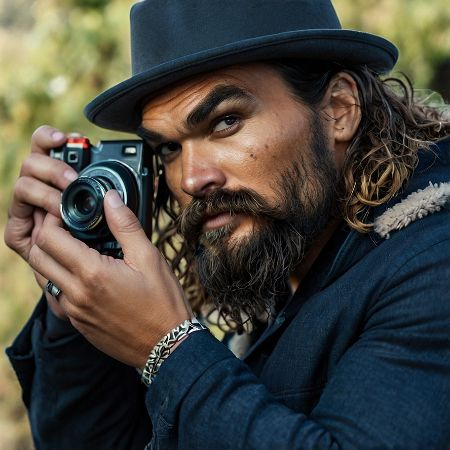
Intermediate (50-100 hours):
- Goal: Understand manual camera settings, compose decently framed shots, perform basic editing.
- Schedule Example: 2 practice sessions/week plus study, for about 4-6 months.
Mastery (500-1,000 hours):
- Goal: Expert composition, creative lighting techniques, advanced editing, and a personal style.
- Schedule Example: 3-4 photo shoots per month plus editing and coursework, for 2+ years.
9. Coding a Basic Website (HTML/CSS/JS)
Intermediate (100-150 hours):
- Goal: Build a simple, responsive personal website; understand basics of HTML/CSS, simple JavaScript, and maybe a common framework.
- Schedule Example: 1 hour/day for 4-6 months.
Mastery (1,000+ hours):
- Goal: Proficiency in multiple front-end frameworks, can build complex, interactive web apps, and adapt to new technologies quickly.
- Schedule Example: 1-2 hours/day plus project work over 2-3 years.
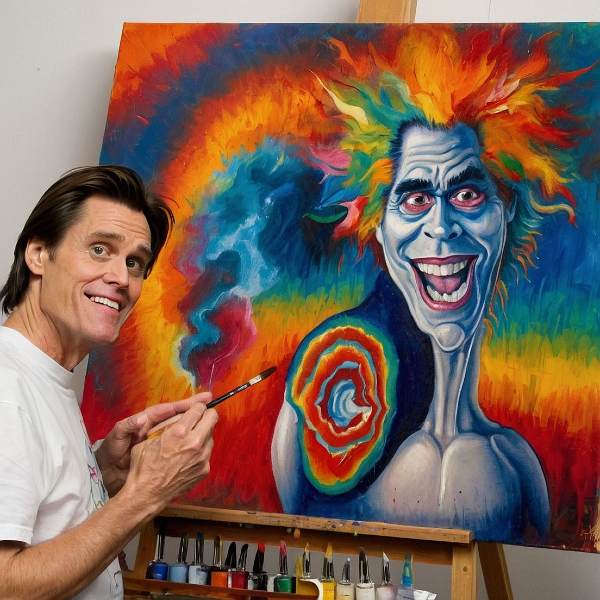
10. Drawing / Sketching Realistic Portraits
Intermediate (100-200 hours):
- Goal: Draw proportionate faces, capture a recognizable likeness, basic shading and value control.
- Schedule Example: 30-60 minutes/day for about 6-12 months.
Mastery (1,000+ hours):
- Goal: Detailed realism, confident line work, developed personal style, mastery of various mediums.
- Schedule Example: 1-2 hours/day for 2+ years.
11. Conversational Fluency in a New Language (e.g., Italian)

Intermediate (200-300 hours):
- Goal: Handle common tourist situations, engage in small talk, basic comprehension of simple media.
- Schedule Example: ~30 minutes/day plus a weekly speaking session over 1-1.5 years.
Mastery (1,000+ hours):
- Goal: Discuss complex topics, understand native media, think naturally in the language, nearly native fluency.
- Schedule Example: 1 hour/day plus regular conversation and immersion for 3+ years.
Note: These are broad estimates and will vary based on personal aptitude, quality of practice, feedback loops, and resources. Consistency, deliberate practice, and periodic performance tests (like showing your tricks to friends, playing a song in front of family, or conversing with a native speaker) greatly influence how fast you progress.
4 Common Pitfalls (And How To Overcome Them)
Every setback guides your growth.
Even with a solid blueprint, you’ll hit bumps along the road. Recognizing these common pitfalls—and knowing how to handle them—can save you from discouragement.
Pitfall 1: Losing Motivation
How to Overcome: Remind yourself why you chose this skill. Revisit your initial goal, watch an inspiring tutorial, or imagine how great it will feel to show off what you’ve learned. Sometimes, all you need is a quick “why” check-in.
Pitfall 2: Hitting a Plateau
How to Overcome: If progress slows, switch up your practice routine. Try a new exercise, seek feedback from an online community, or watch a new video tutorial. Plateaus are normal—changing your approach often helps you break through.
Pitfall 3: Overwhelming Complexity
How to Overcome: If the skill suddenly feels too big or complicated, break it down further. Return to the basics—focus on one small sub-skill at a time. Mastering a simpler piece restores confidence and sets the stage for moving forward.
Pitfall 4: Comparing Yourself to Others
How to Overcome: Remember, everyone’s journey is unique. Focus on your progress, not someone else’s highlight reel. Track your own improvements over time—that’s the only benchmark that really matters.
Resources & Recommendations
You don’t have to learn alone.
There’s a wealth of knowledge at your fingertips to help you refine your process and speed up your progress.

YouTube Tutorials & Channels:
- Search “[Your Skill] Basics” or “Beginner Tips for [Your Skill].” Many pros offer free step-by-step guidance.
- For example, if you’re learning guitar, channels like JustinGuitar or Marty Music break down songs into simple lessons.
Online Communities & Forums:
- Reddit communities (e.g., r/LearnUselessTalents for quirky skills, r/languagelearning for languages) can offer encouragement and tips.
- Skill-specific Facebook groups or Discord servers let you ask questions and get feedback from experienced learners.
Apps & Tools:
- Timer apps and habit trackers (e.g., Habitica, Streaks) help you stay consistent.
- Specialized skill apps: Duolingo for languages, Yousician for musical instruments, or Masterclass for a variety of crafts.
Books & Courses:
- Short how-to guides, eBooks, or Udemy courses can give you structured learning paths.
- Local community classes or workshops offer hands-on learning and feedback opportunities.
By tapping into these resources, you reinforce your learning with expert advice, supportive communities, and tools that keep you on track.
Free Downloads: Skillcrafting Cheat Sheets & Blueprints
📥
ghfsd