
What does prayer mean to you?
Prayer means something different for everybody.
For some it’s a lifeline to the divine.
For others: A moment of calm in a chaotic world.
4.8 billion people worldwide—60% of the earth’s population—pray regularly.
It’s a remarkable way to pause, reflect, and connect—whether to God, the universe, or simply your own thoughts.
Even if you don’t believe in a “man in the sky,” prayer can still be powerful.
It’s a moment to forge inner strength, let go of worries, and focus on gratitude. It’s not about asking for miracles—it’s about unlocking your godlike potential by finding calm, clarity and hope in daily life.
So. Why pray?
Because it’s a tool for self-reflection, hope, and connection that anyone can use—regardless of belief.
Let’s explore how prayer works for people around the world and why it’s such a transformative practice.
Remarkable People Who Pray
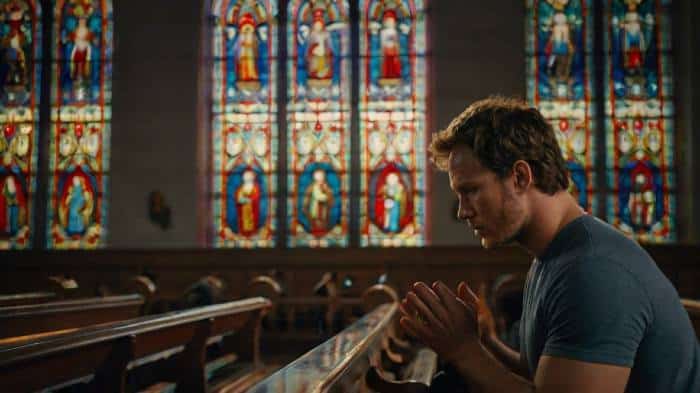
- Christianity.
- Raised in a non-religious home and became a devout Christian age 19.
- Best known as an actor in the films Guardians of the Galaxy and Jurassic World.

- Islam (Sunni Muslim branch).
- Born in Dagestan, Russia into a Sunni Muslim family.
- Best known as the undefeated MMA fighting champion of the UFC Lightweight division.

- Hinduism.
- Born into Christianity and converted to Hinduism in her 40s after filming Eat Pray Love in India.
- An actress best known for the films Pretty Woman and Erin Brockovich.

- Buddhism.
- Born in England and raised with Christianity. Converted to Buddhism in his early 20s.
- Best known as an actor in the films Pirates of the Caribbean and Lord of the Rings.

- Sikhism.
- Born in India and raised in a Sikh family in America.
- Best known as an actor in the films The Grand Budapest Hotel and The Darjeeling Limited.

- Judaism.
- Born in Jerusalem, Israel and raised in a Jewish family in America.
- Best known as an actress in the films Leon: The Professional and Black Swan.
Do You Need To Be Religious To Pray?
 No.
No.
Absolutely not.
Most people connect “prayer” to speaking to God, but technically it can be doing any reflective, hopeful or mindful act.
Prayer doesn’t have to be tied to a specific faith or belief system.
You don’t have to sit on your knees, close your eyes and hold your hands together to be praying.
Non-Religious Prayer:
A personal practice of reflection, intention, or communication, often used to seek clarity, express gratitude, or find inner peace. It can involve speaking, thinking, or simply sitting quietly to focus on one’s thoughts or feelings.
Here’s why and how non-religious people might pray:
Why Non-Religious People Pray
- Self-Reflection: Prayer can be a way for you to pause and reflect, similar to journaling or meditation.
- Gratitude: You can use prayer to express thanks for the good things in your life, which can boost positivity and happiness.
- Seeking Comfort: During challenging times, you can pray to to give yourself a sense of peace, even if it’s directed toward the universe or simply your inner self.
- Manifestation or Intention Setting: You can use prayer-like practices to focus on your goals or intentions, treating it as a way to clarify your desires.
- Connecting to Something Bigger: You can pray to connect to your inner-self, humanity, nature, or the universe—you don’t have to pray to some supernatural being. You don’t have to pray TOWARDS anything. You can just talk to yourself.
How Non-Religious People Pray
- Quiet Reflection: You can just sit in silence and focus on your thoughts and feelings.
- Gratitude Practice: You can say or think about things you’re thankful for.
- Speaking Aloud or Internally: You can talk to the universe, nature, or even just yourself.
- Writing Intentions: You can use prayer-like words in your journaling or affirmations.
- Meditative Practices: You can combine mindfulness with personal expression of hope or peace.
Prayer vs. Meditation vs. Journaling
You are probably wondering: how does prayer (especially non-religious prayer) differ from meditation and journaling?
Let’s break it down:
Prayer: Talking
- Think of prayer as having a conversation—whether it’s with God, the universe, or just yourself.
- It’s about saying what’s on your mind, like asking for help, saying thank you, or sharing how you feel.
- No rules, no scripts—just honest expression.
Meditation: Listening
- Meditation is all about being quiet and still, paying attention to your thoughts or your breathing.
- Instead of talking, you’re noticing. It’s like listening to what your mind and body are telling you.
- It’s great for finding calm, focus, and peace.
Journaling: Writing
- Journaling is where you write it all down—your thoughts, feelings, or even just your day.
- It’s like organizing your brain on paper.
- You can use it to solve problems, remember important moments, or just let your emotions out.
How They Work Together
You can combine all three! For example:
- Pray to share what’s in your heart.
- Meditate to quiet your mind and find peace.
- Journal to capture your thoughts and reflect.
Each one helps you connect with yourself (and maybe something bigger) in its own way. Try them all and see what works best for you!
Learn The Core Beliefs and Practices of Major Religions
1. Christianity
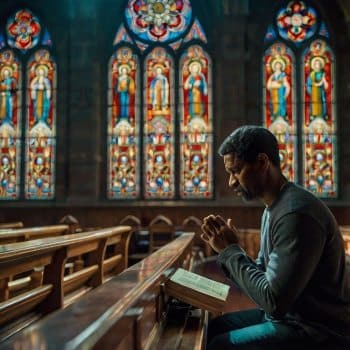 Key Facts:
- Adherents Worldwide: Approximately 2.38 billion.
- Predominant Regions: Americas, Europe, Sub-Saharan Africa, parts of Asia.
- Top Country: United States.
- Sacred Text: The Bible, which includes the Old Testament and New Testament.
- Core Belief: Faith in one God who sent Jesus Christ to save humanity from sin.
Prayer Facts:
- Where They Pray: Churches, homes, and outdoors.
- Can Pray at Home: Yes, personal and family prayers are common.
- Key Prayer Days/Holidays: Sunday worship, Christmas, and Easter.
How They Pray:
- Postures: Christians pray in various ways, including kneeling, standing, sitting, or lying prostrate.
- Gestures: Folding hands, raising palms upward, or making the sign of the cross.
- Direction: Prayer is directed to God, often symbolically towards Heaven.
- Frequency of Prayer: No fixed daily requirement; regular prayer is encouraged. Communal worship is emphasized on Sundays.
What Happens if You Don’t Pray:
- Missing prayer is seen as a missed opportunity for spiritual growth rather than a strict obligation.
- Many denominations encourage confession or repentance for lapses.
Key Belief: Prayer is an expression of a personal relationship with God, centered on grace and forgiveness.
2. Islam
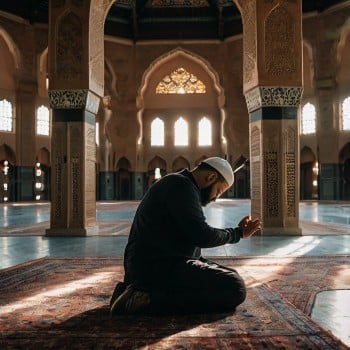 Key Facts:
- Adherents Worldwide: Approximately 1.9 billion.
- Predominant Regions: Middle East, North Africa, South Asia, and Southeast Asia.
- Top Country: Indonesia.
- Sacred Text: The Qur’an, believed to be the literal word of God revealed to the Prophet Muhammad.
- Core Belief: Submission to the will of Allah, the one and only God.
Prayer Facts:
- Where They Pray: Mosques or any clean space.
- Can Pray at Home: Yes, daily prayers (Salah) can be performed at home if needed.
- Key Prayer Days/Holidays: Friday congregational prayer (Jumu’ah), Eid al-Fitr, and Eid al-Adha.
How They Pray:
- Postures: Muslims follow specific movements during Salah, including standing, bowing, kneeling, and prostrating with the forehead touching the ground.
- Gestures: Raising hands to the ears, folding hands on the chest, and placing hands on knees during bowing.
- Direction: Always face the Kaaba in Mecca (Qibla).
- Frequency of Prayer: Five times daily at prescribed times: Fajr (dawn), Dhuhr (midday), Asr (afternoon), Maghrib (sunset), and Isha (night).
What Happens if You Don’t Pray:
- Missing prayer without a valid reason (e.g., illness) is considered a sin, but prayers can be made up (Qada).
- Habitually neglecting Salah is seen as distancing oneself from God.
Key Belief: Prayer demonstrates submission to God and is a direct, daily connection with the divine.
3. Hinduism
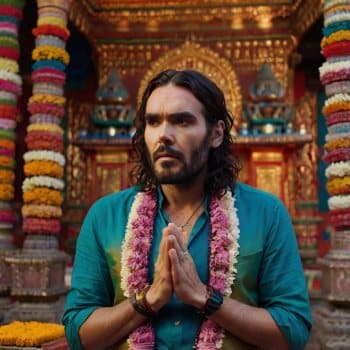 Key Facts:
- Adherents Worldwide: Approximately 1.2 billion.
- Predominant Regions: India, Nepal, Bangladesh, and Sri Lanka.
- Top Country: India.
- Sacred Texts: The Vedas and Bhagavad Gita, among others.
- Core Belief: Dharma (duty), karma (actions), and the pursuit of moksha (liberation).
Prayer Facts:
- Where They Pray: Temples and home shrines.
- Can Pray at Home: Yes, most Hindus perform daily Puja at home.
- Key Prayer Days/Holidays: Diwali, Navaratri, and Maha Shivaratri.
How They Pray:
- Postures: Seated cross-legged on the floor for meditation or standing with hands folded (Namaste gesture).
- Gestures: Offerings of flowers, food, and incense to deities, often bowing in reverence.
- Direction: Facing a deity in a shrine; East is considered auspicious but not mandatory.
- Frequency of Prayer: No mandatory schedule; daily Puja and occasional temple visits are common.
What Happens if You Don’t Pray:
- Not praying is not considered sinful but may be viewed as neglecting devotion (Bhakti).
- Hinduism emphasizes personal choice in spiritual practices.
Key Belief: Devotion can take many forms, including rituals, meditation, or acts of service.
4. Buddhism
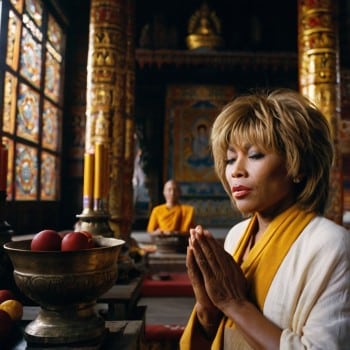 Key Facts:
- Adherents Worldwide: Approximately 506 million.
- Predominant Regions: East Asia (China, Japan), Southeast Asia (Thailand, Myanmar, Cambodia).
- Top Country: China.
- Sacred Texts: The Tripitaka (Pali Canon) and other teachings of Buddha.
- Core Belief: The path to enlightenment through mindfulness, compassion, and wisdom.
Prayer Facts:
- Where They Pray: Temples, monasteries, and home altars.
- Can Pray at Home: Yes, prayer and meditation are common at personal altars.
- Key Prayer Days/Holidays: Vesak, Uposatha, and Asalha Puja.
How They Pray:
- Postures: Sitting cross-legged or kneeling during meditation and chanting.
- Gestures: Hands in prayer mudra (palms together) or specific symbolic hand gestures (mudras). Prostration before Buddha statues is common.
- Direction: Toward a statue or image of Buddha in a temple or altar.
- Frequency of Prayer: No strict requirement; practices vary based on tradition and personal goals.
What Happens if You Don’t Pray:
- Missing prayer is not seen as a transgression.
- Progress toward enlightenment is determined by individual actions and mindfulness.
Key Belief: Focus is on meditation, intention, and spiritual growth rather than obligatory prayer.
5. Sikhism
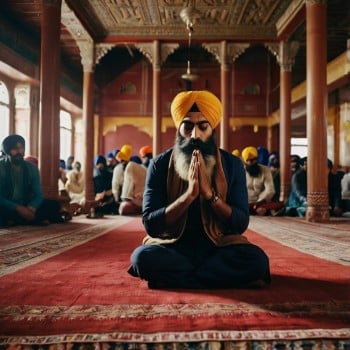 Key Facts:
- Adherents Worldwide: Approximately 25 million.
- Predominant Regions: Punjab (India) and diaspora in Canada, UK, USA.
- Top Country: India.
- Sacred Text: The Guru Granth Sahib, regarded as the eternal Guru.
- Core Belief: Devotion to God, equality, and service to humanity.
Prayer Facts:
- Where They Pray: Gurdwaras (Sikh temples) and homes.
- Can Pray at Home: Yes, daily recitation of Nitnem prayers is encouraged.
- Key Prayer Days/Holidays: Gurpurab, Baisakhi, and Bandhi Chhor Divas.
How They Pray:
- Postures: Sitting cross-legged on the floor during prayer.
- Gestures: Hands together in prayer and bowing before the Guru Granth Sahib (Sikh holy scripture).
- Direction: Facing the Guru Granth Sahib, which is placed on an elevated platform.
- Frequency of Prayer: Three daily prayers: Japji Sahib (morning), Rehraas Sahib (evening), and Kirtan Sohila (night).
What Happens if You Don’t Pray:
- Missing prayer is not considered sinful but is seen as losing a chance to connect with God.
Key Belief: Prayer strengthens discipline and fosters constant remembrance of God.
6. Judaism
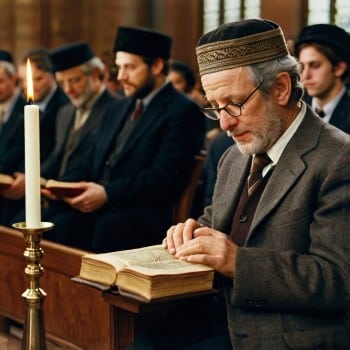 Key Facts:
- Adherents Worldwide: Approximately 14.7 million.
- Predominant Regions: Israel, USA, Europe, and Canada.
- Top Country: Israel.
- Sacred Text: The Torah, part of the Hebrew Bible, along with the Talmud.
- Core Belief: Covenant with God, emphasizing law, justice, and community.
Prayer Facts:
- Where They Pray: Synagogues, homes, and the Western Wall.
- Can Pray at Home: Yes, especially during Shabbat and personal rituals.
- Key Prayer Days/Holidays: Shabbat, Rosh Hashanah, and Yom Kippur.
How They Pray:
- Postures: Standing is common, with bowing during specific blessings.
- Gestures: Wearing prayer shawls (tallit) and tefillin (leather boxes with scripture).
- Direction: Always face Jerusalem.
- Frequency of Prayer: Three daily prayers: Shacharit (morning), Mincha (afternoon), and Maariv (evening).
What Happens if You Don’t Pray:
- Not praying is seen as a missed mitzvah (commandment), but adherents can always return to prayer.
Key Belief: Prayer is both personal and communal, fostering reflection and devotion.
Whether You’re Religious Or Not—Here’s How To Start Your Prayer Journey Today
14-Day Guided Prayer Journey
No matter who you are or what you believe, prayer is about taking a moment to pause, reflect, and connect.
This 14-day journey is your chance to experience the power of prayer—your way.
Each day, you’ll have a simple focus or prompt to guide you.
How It Works:
- Spend 5-10 minutes each day on the practice.
- You can say it aloud, write it down, or just think it.
- Approach it with an open heart and mind—there’s no “wrong” way to pray.
Your Daily Guide:
Day 1: Gratitude
- Reflect on three things you’re thankful for today.
Day 2: Hope
- Think about one thing you’re hoping for—something you’d like to see happen in your life.
Day 3: Strength
- Take a moment to ask (or affirm) for strength to face challenges in your day.
Day 4: Forgiveness
- Reflect on something you’re ready to let go of—either forgiving yourself or someone else.
Day 5: Love
- Focus on someone you care about. Send them positive thoughts, or pray for their happiness.
Day 6: Guidance
- Ask (or reflect) on where you need clarity or direction in your life.
Day 7: Rest
- Pause and focus on finding peace and stillness within.
Day 8: Connection
- Reflect on the connections in your life—friends, family, or even nature.
Day 9: Courage
- Take a moment to acknowledge your fears and ask for courage to face them.
Day 10: Healing
- Focus on an area in your life or someone else’s that needs healing—emotional or physical.
Day 11: Gratitude, Again
- Reflect on new things you’re thankful for since starting this journey.
Day 12: Joy
- Focus on the moments that bring you happiness and how you can bring joy to others.
Day 13: Purpose
- Reflect on what matters most to you and what you’d like to focus on in your life.
Day 14: Moving Forward
- Take a moment to envision how prayer can continue to be part of your life after this journey.
Ready to Begin?
Start today.
Just take a few minutes to follow the prompt and see where the journey takes you.
Whether you’re seeking peace, clarity, or connection, this 14-day prayer guide is here to help.