
 If you care about your teeth, chances are you’ve been following the same routine since childhood:
- Morning: Brush for 2 minutes.
- Bedtime: Floss, then brush for 2 minutes.
And while your dentist might approve, there’s so much more you could be doing.
With just a few extra minutes each night, your dentist will be bragging about your teeth to their dentist friends.
Today, we’re diving into the most effective and efficient oral care routines. From the basics to advanced techniques, it’s time to level up your oral hygiene.
Let’s get started: Choose your level—From basic, upgraded or elite.
Remarkable Smiles of Hollywood

- What do you think?
- Yep, Charlie has great teeth.
- Real or fake—who cares—they look great.

- Take a look.
- Her tooth have always looked great.
- She either takes great care or has her dentist on speed dial.

- Hmm, what do we see?
- Clooney has had some pretty expensive work here—real classy stuff.
- Looks great on screen.
Popular Oral Care Products
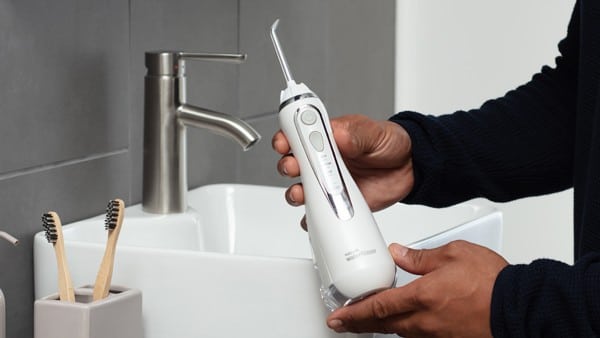
- Removes debris from hard-to-reach areas.
- Gentle on gums, great for braces and implants.
- Reduces plaque and improve gum health.

- Removes bacteria causing bad breath.
- Reduces oral odor and improves hygiene.
- Easy addition to boost overall routine.

- Removes more plaque than manual brushing.
- Built-in timers ensure proper brushing time.
- Gentle yet effective on teeth and gums.
Oral Care Level 1: The Basics
Focus: Brush & Floss
Standard brushing and flossing to remove plaque and prevent cavities.
This is basic oral care. It’s the routine your parents or teachers probably taught you.
Step 1: Brush 2x Per Day
- What: Brush twice daily (after breakfast and before bed) for at least 2 minutes each time, using a fluoride toothpaste.
- How: Put toothpaste on your toothbrush and brush your teeth without applying too much pressure. Brush the back. Brush the front. Brush the bottom. The Top. Brush your gums and tongue. Do this for 2 minutes then spit it out. Don’t rinse your mouth with water.
- Why: Removes plaque and food debris from tooth surfaces.
- The Science: Brushing for 2 minutes is shown to reduce plaque significantly compared to shorter durations.
Step 2: Floss Every Night
- What: Floss once daily to clean between teeth. The best time is before brushing at bedtime.
- How: Thread the floss between your teeth, wiggle it around and move it up and down. You’re trying to get to the nooks and crannies where plaque loves to hide.
- Why: Flossing reaches the 40% of tooth surfaces that brushing misses.
- The Science: Daily flossing improves gum health by reducing interdental plaque and inflammation.
Step 3: Use Mouthwash Sometimes
- What: Rinse with a fluoride mouthwash after brushing (optional).
- How: Swish the mouthwash around your mouth for 30 seconds. Be sure to hit every corner.
- Why: Fluoride strengthens enamel and prevents cavities.
- The Science: Fluoride mouthwashes can reduce the prevalence of cavities in children and adults.
Step 4: Go To The Dentist 2x Per Year
- What: Visit your dentist at least twice a year for thorough cleanings and checkups. Your dentist has tools and expertise you don’t have at home.
- Why: Removes hardened tartar, identifies potential issues early, and boosts overall oral health.
- The Science: Professional cleanings are essential for reducing periodontal disease risks.
Oral Care Level 2: The Dentist’s Playbook
Focus: Level 1 + Electric Toothbrush + Water Flosser + Tongue Scrapper
Upgrades to what dental professionals typically do at home, incorporating advanced tools and techniques.
If you want to elevate your routine, these are the practices dentists and hygienists often recommend for better plaque removal, fresher breath, and healthier gums.
Step 1: Do Everything in Level 1
- See above.
Step 2: Use a Water Flosser Daily
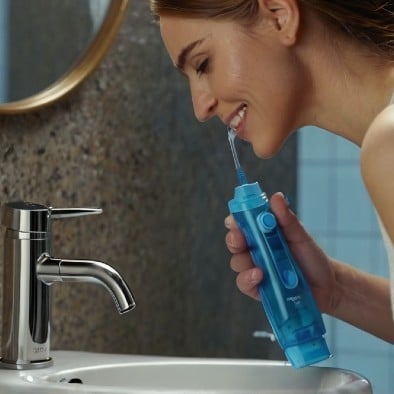
- What: Use a water flosser before brushing to remove food debris and plaque from between teeth and along the gum-line. It is easier to use than string floss and 90% as effective (use both).
- Why: Water flossers are especially effective for people with braces, implants, or tight spaces. They are easy to use and more gentle on your gums. Ideally you use both string floss and water flosser.
- The Science: Water flossers remove 29% more plaque than string floss in certain areas.
Step 3: Upgrade To An Electric Toothbrush
- What: Replace your manual toothbrush with an electric one. Use soft bristles and let the brush do the work.
- Why: Electric brushes are more effective at reducing plaque and gingivitis than manual brushes.
- The Science: Electric toothbrushes reduce plaque by 11% and gingivitis by 6% over three months.
Step 4: Use a Tongue Scraper Daily

- What: Add a tongue scraper to your routine to remove bacteria from your tongue’s surface. While a toothbrush can clean the tongue to some extent, a tongue scraper is specifically designed for the task and is significantly more effective, hygienic, and user-friendly.
- Why: Tongue scraping reduces bad breath by lowering the levels of volatile sulfur compounds.
- The Science: Tongue cleaning improves halitosis significantly compared to brushing alone.
Oral Care Level 3: The Million-Dollar Smile
Focus: The Million-Dollar Smile
A top-tier routine for those aiming for the ultimate oral care.
This routine is for perfectionists or those with specific oral health concerns. It’s designed to maximize cleanliness, aesthetics, and protection.
Step 1: Add Whitening Treatments
- What: Use whitening trays or strips for cosmetic enhancement.
- Why: Professional-grade whitening treatments can significantly brighten teeth.
- The Science: Home whitening with carbamide peroxide is safe and effective for tooth discoloration.
Step 2: Use Remineralizing Toothpaste
- What: Use a toothpaste with hydroxyapatite or nano-hydroxyapatite for extra enamel strengthening.
- Why: Helps repair early enamel damage and prevent sensitivity.
- The Science: Hydroxyapatite-based toothpaste remineralizes enamel better than fluoride in early-stage lesions.
Step 3: Wear A Night Guard
- What: If you grind your teeth, use a custom night guard to prevent enamel wear and reduce jaw tension.
- Why: Bruxism can cause tooth damage and TMJ pain.
- The Science: Custom night guards reduce wear by up to 90% in grinders.
Step 4: Tea Tree Oil Mouthwash (Optional)
- What: Mix 2 drops of tea tree oil with water and swish around your mouth for 30 seconds. Alternatively, add a drop to your toothpaste or directly rub on teeth.
- Why: It helps fix bacteria and reduce gum inflammation. It also fights plaque and gingivitis.
Practical Tips for Any Routine
No matter your level, these tips can make a big difference:
- Limit Sugar and Acidic Foods: Reduce cavity risk by avoiding prolonged sugar and acid exposure.
- Stay Hydrated: Drink water throughout the day to maintain saliva production and wash away bacteria.
- Wait to Brush After Eating: Avoid brushing for at least 30 minutes after acidic foods to protect enamel.
Common Oral Care Questions, Answered
Should you floss or brush first?
Floss first. It removes debris and plaque between your teeth, allowing fluoride from brushing to reach those areas more effectively.
What about mouthwash?
Use mouthwash after brushing and flossing, but not immediately—wait about 30 minutes to avoid rinsing away the fluoride from your toothpaste. Choose an alcohol-free mouthwash for daily use.
Do you need to clean fake teeth?
Yes, fake teeth need cleaning to prevent plaque, gum issues, staining, and ensure longevity.
- Implants: Brush twice daily, floss, and use a Waterpik.
- Dentures: Rinse after eating, brush with denture cleaner, and soak overnight.
- Veneers: Brush and floss gently; avoid abrasive toothpaste.
- Crowns/Bridges: Brush, floss, and clean around the gumline.
Routine dental visits are essential for all types.
What about wisdom teeth?
If they’re healthy, pain-free, and properly aligned, wisdom teeth can stay. However, if they’re impacted, causing pain, or crowding other teeth, consult your dentist—they may recommend removal.