
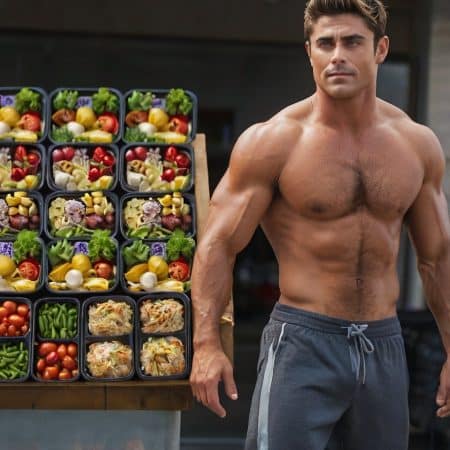
 Meal prep isn’t just for gym junkies and Instagram chefs.
It’s the secret weapon of high-achieving everyday people who want to eat like foodies, save hours each week, and ditch the daily stress of cooking.
Here’s how it works:
You spend 1-2 hours every Sunday afternoon cooking meals in advance—think BBQ chicken with rice and veggies or roasted salmon with asparagus and potatoes.
Once everything’s cooked, you portion it into airtight containers and pop them in the fridge or freezer. Meals last 3-5 days in the fridge or months in the freezer.
When it’s time to eat, grab a container and nuke it in the microwave. If you’ve got a little extra patience, reheat in the oven.
Either way, you’ll have a healthy, home-cooked meal in minutes—without the daily hassle.
Popular Meal Prep Tools
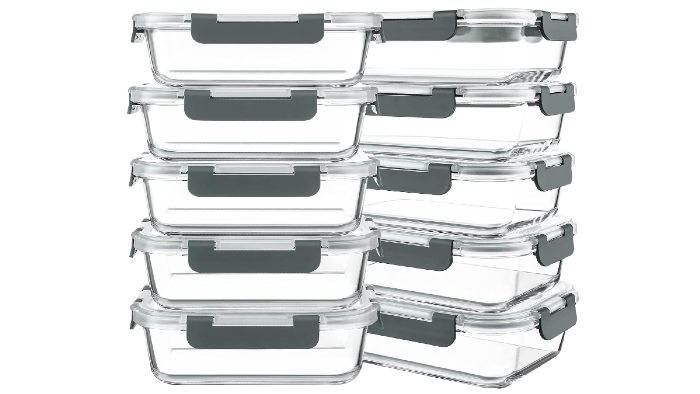
- Store, heat and serve your meal prep with ease.
- Airtight, microwave-safe, oven-safe, freezer-safe, and dishwasher-safe glass containers.
- Perfect lunch and dinner size.

- Transform your stove into a commercial flat top.
- Skip the dishes and do your entire meal prep on one surface.
- Griddle builds up flavor layer over time making your food taste better.
- Made in the USA.
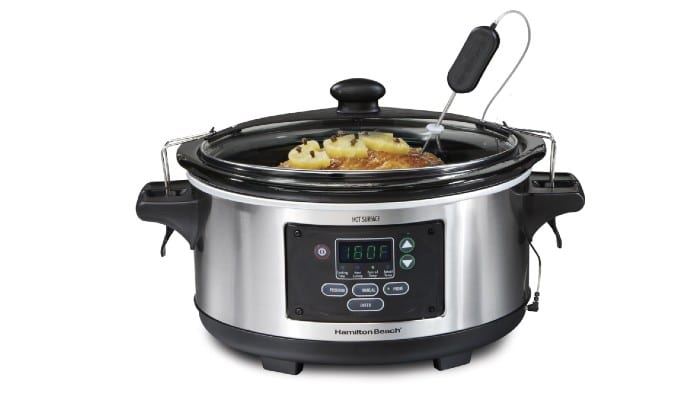
- Cost-to-convenience ratio off the charts when it comes to meal prep.
- Set and forget and come back to an entire weeks worth of dinners.
- Affordable and easy to use.

- A good sharp knife set is the ultimate meal prepping hack.
- Makes chopping, slicing and mincing efficient, safe and time-saving.
- Comes with in-drawer storage block.

- Color-coded to keep meal prep foods separate—meat, fish, veggies, carbs all cut on separate boards.
- Dishwasher-safe and non-slip bottom.
- Includes stacking stand to keep kitchen tidy.
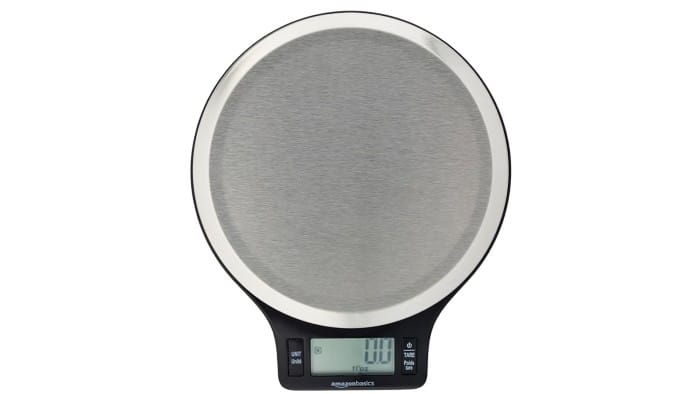
- Precisely measure out your portions for tracking calories, macros and servicing sizes.
- Affordable at under $10, weights up to 11 lbs of ingredients and only requires (2) AAA batteries.
- A no brainer for meal prep.
Remarkable Meal Preppers To Motivate You

- For his transformation for the film Baywatch, Efron adhered to a strict meal prep of all-organic, whole-foods, focusing on lean proteins, whole grains, healthy fats, high-fiber fruits, and a variety of vegetables.
- He ate 5 pre-prepared meals per day at the exact same time each day.
Zac’s Daily Routine →

- John Clark—known on social media as “The Meal Prep King”—lost 126 lbs (57 kg) with meal prep.
- His meal prep habit helped him get (and stay) sober.
- Meal prep is now his life, his career and continues to be his passion.

- Specializes in high-protein recipes for “Muscle Mommies & Gym Bros”.
- Certified Personal Trainer turned meal prep social media influencer.
- Shares recipes, shopping guides and meal prep hacks.
Get Started With Your Meal Prep Today: Step-By-Step Guide
Step 1: Gear Up with the Right Tools
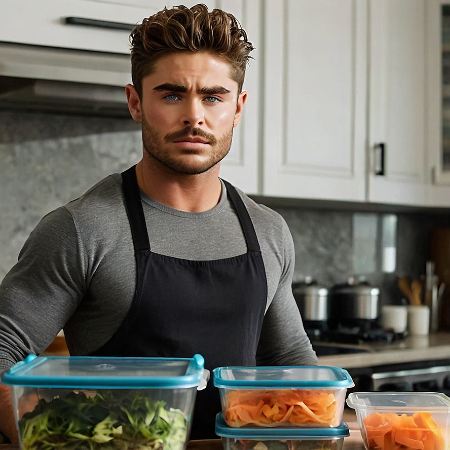 To start meal prepping, you’ll need a few essentials:
- Airtight Containers: You need to store your meal prep meals in the fridge or freezer in airtight containers. You’ll want them to be glass and be microwave-safe, oven-safe, dishwasher-safe and freezer-safe. Get containers with compartments if you can so you can split the protein from the carbs from the veggies. Aim for 10 containers—they usually come in packs of 10.
- Reusable Bags: Ziploc bags are great for storing snacks like cut up veggies, fruits or nuts. These can be stored inside an airtight container or loosely in the fridge. Think how easy it will be to grab a bag of cut-up veggies and a bowl of hummus for a snack.
- Sharp Knives and Cutting Boards: Many of you will already have a good knife set and a cutting board. But if you don’t you really want to invest in a good one as it will make meal prep much quicker and easier. Having color coded cutting boards are useful too. Have one for meats, one for veggies, one for carbs and one for fish. This will avoid cross contamination when doing your Sunday meal prep.
- A Large Baking Sheet or Two: Again most of you will already have baking sheets. But if you don’t make sure to get a set of at least 2. These are perfect for roasting proteins and vegetables in bulk.
- A Slow Cooker: The cost-to-convenience of a slow cooker is off the charts. You can create your entire weeks worth of dinners—especially soups, stews, chilli—in one go with ease. All you do is put the ingredients in, stir, and then turn the slow cooker on. You come back hours later and it’s ready. Not bad.
- Measuring Cups and Spoons: Handy for portioning meals and ingredients accurately.
- Kitchen Scale: For $10 you can accurately portion your proteins and carbs for the week. It will also work to measure out ingredients like nuts, veggies and carbs if you are counting your calories/macros.
- Flat Top Griddle (Game-Changer): You put this overtop your stop and it turns your kitchen stove into a commercial flat top griddle. You can batch cook all your proteins with ease—and it tastes better.
Step 2: Plan Your Meals
First, figure out why are you prepping your meals?
- To Save time? If your main goal for meal prep is to save time in prepping, heating and eating then you’ll want to focus on simple, versatile meals like baked chicken and roasted veggies. We’ll give you more options below.
- To Eat healthier? If your main goal is to eat healthier then you’ll want to build balanced meals with lean proteins, whole grains, and plenty of vegetables. For example, salmon, sweet potato and asparagus.
- To Save money? If your main goal is to save money then you’ll want to base your plan on affordable staples like rice, beans, and frozen veggies. A meal of lentils, steamed rice and spinach would fit the bill.
How to Plan:
There are 100s of meal prep cookbooks.
1000s of meal prep recipes online.
And endless meal combinations you can create.
So how do you simplify your meal prep planning?
Easy:
- You Pick Two Proteins Per Week: Examples include chicken breast, beef, salmon, ground turkey, wild game meat, lamb or tofu. Let’s say you are only meal prepping dinners for yourself. The idea here is you cook up 4 servings of chicken breast and 3 servings of salmon. That’s 7 servings of protein—one for each of your dinners.
- You Choose Two Carbs Per Week: Rice, quinoa, sweet potatoes, white potatoes, or pasta. So you need 7 servings. Make 4 servings of rice and 3 servings of sweet potato. The idea here to put them with the proteins. Mix it up too. Don’t put all the rice with the chicken and all the sweet potato with the salmon. Mix and match.
- You Choose 3 Veggies: Go for a mix of roasted, steamed, or raw veggies for variety. Let’s say you choose to roast carrots, steam broccoli and have raw cucumber. Get the right amount of servings and mix and match them into your containers. Be sure to not cook the raw veggies when you go to eat.
- Plan Snacks: Include simple options like hummus with carrots or Greek yogurt with fruit. For snacks you’ll want to pre-cut veggies and fruit and put them in Ziploc bags. Put some servings of mixed nuts in some bags or containers too.
Tip:
You’ll want to decide how many meals you are prepping for before grocery shopping.
Are you prepping:
- 5 days of meals?
- 7 days of meals?
- Dinners + lunches?
- How many people are you prepping for?
Adjust your grocery list as needed.
Step 3: Go Grocery Shopping (Example List)
Here’s a simple list to create two base meal options for the week (7 dinners):
Proteins:
- 1 kg (2 lbs) chicken breast or thighs
- 4 fillets of salmon (or any fish you prefer)
Carbohydrates:
- 2 cups uncooked rice (brown or white)
- 4 medium-sized sweet potatoes
Vegetables:
- 1 large broccoli head (or frozen florets)
- 500g (1 lb) green beans
- 1 large bag of mixed greens (for quick salads)
- 2 carrots (for roasting or snacks)
- 1 bunch asparagus
Seasonings and Condiments:
- Olive oil
- Salt and pepper
- Garlic powder, paprika, or your favorite spice mix
- Soy sauce or tamari (optional)
Snacks (Optional):
- Hummus
- Mixed nuts
- Greek yogurt
Step 4: Prep & Cook
 Dedicate 1–2 hours to prepping everything for the week. Most people choose Sunday afternoon for their meal prep routine because Monday seems to be the consensus first day of the week.
Here’s your workflow:
Batch Cook Proteins:
- Chicken: Season with olive oil, salt, pepper, and spices. Bake at 200°C (400°F) for 25 minutes or until fully cooked.
- Salmon: Rub with olive oil, salt, and pepper. Bake at 200°C (400°F) for 12–15 minutes.
Cook Your Carbs:
- Rice: Cook 2-3 cups in a rice cooker or on the stovetop (makes about 6-8 portions).
- Sweet Potatoes: Peel, chop into chunks, toss with olive oil, and roast at 200°C (400°F) for 30 minutes.
Prep Veggies:
- Snacks: Chop raw veggies (like carrots, celery, or cucumbers) for snacks.
- Meal Option 1: Roast broccoli or green beans with olive oil, salt, and garlic powder.
- Meal Option 2: Steam or blanch asparagus for a quick side.
Portion Everything:
- Use airtight containers to portion out your meals for the week. Include protein, carbs, and veggies in each container for balanced meals.
Portion Guidelines
- Proteins: 4-6 oz per meal (e.g., a palm-sized portion of chicken or fish).
- Carbohydrates: ½ cup cooked grains or starchy vegetables per meal.
- Vegetables: At least 1-2 cups of non-starchy vegetables.
- Fats: 1-2 tablespoons of healthy fats like olive oil or avocado.
Step 5: Storage & Reheating
Keep your meals fresh and safe by storing them properly:
In the Fridge:
- Store meals you’ll eat in the next 3–5 days in airtight containers.
- Cooked proteins: 3-4 days.
- Cooked vegetables: 3-5 days.
- Salads (without dressing): 3-4 days.
In the Freezer:
- Freeze meals for later in freezer-safe containers or bags. Label them with the date.
- Fully cooked meals: 2-3 months.
- Soups and stews: 3-6 months.
Reheating Methods:
- Microwave: Use a microwave-safe container. Cover to avoid splatter. Heat meals for 2–3 minutes. Stir halfway through for even heating.
- Oven: Reheat at 180°C (350°F) for 15 minutes.
- Stovetop: Sauté meals with a splash of water or broth to avoid drying them out.
Sample Weekly Meal Prep Menu
 Will you be prepping just dinners? Or all your meals for the week?
Just as an example, here is what a weekly menu could look like depending on your meal prep goal.
You eat the same thing everyday for a week.
Then next week you switch up the menu.
The idea is to have a rotating list of 4 meal prep menus—then you can start to mix and match on a weekly basis.
Vegetarian
- Breakfast: Overnight oats with almond milk, chia seeds, and fresh berries.
- Lunch: Quinoa salad with roasted vegetables, feta, and balsamic dressing.
- Dinner: Lentil curry with steamed rice and sautéed spinach.
- Snacks: Hummus with veggie sticks, roasted chickpeas.
High-Protein
- Breakfast: Egg muffins with spinach and turkey sausage.
- Lunch: Grilled chicken breast with brown rice and broccoli.
- Dinner: Salmon with sweet potato mash and asparagus.
- Snacks: Greek yogurt with granola, hard-boiled eggs.
Budget-Friendly
- Breakfast: Peanut butter on whole-grain toast with banana slices.
- Lunch: Tuna salad wraps with lettuce and cucumbers.
- Dinner: Baked chicken drumsticks with roasted potatoes and carrots.
- Snacks: Apples with peanut butter, popcorn
How To Make Meal Prep Not Suck
Time Management
- Batch Cooking: Dedicate a few hours on one day (like Sunday) to prepare multiple meals for the week.
- Multitasking: Cook multiple dishes simultaneously, e.g., bake chicken in the oven while steaming vegetables on the stove.
- Prep Shortcuts: Use pre-chopped veggies or frozen options to save time.
Avoiding Repetition
- Rotate sauces and spices to create variety (e.g., teriyaki chicken one day, lemon-herb chicken the next).
- Use the same base ingredients to create different meals (e.g., rice bowl, wrap, and stir-fry).
Dietary Restrictions
- Use swaps like almond flour for gluten-free baking, or tofu for a plant-based protein alternative.
- Plan meals around allergen-friendly staples like quinoa, lentils, and coconut milk.
How To Meal Prep On A Budget

Cost-Effective Ingredients
- Proteins: Chicken thighs, ground turkey, canned tuna, and eggs are affordable and versatile options.
- Carbs: Brown rice, pasta, potatoes, and oats.
- Vegetables: Focus on seasonal produce or frozen vegetables, which are often cheaper and just as nutritious.
- Fats: Opt for bulk purchases of olive oil or store-brand nut butters.
Money-Saving Tips
- Buy in Bulk: Purchase staples like rice, beans, and protein in larger quantities to save.
- Meal Stretchers: Add beans, lentils, or grains to meals to make them more filling and economical.
- Use Leftovers: Transform roasted chicken into soups, tacos, or salads.
- Plan Around Sales: Build your weekly menu based on grocery store promotions.