
Let’s set the record straight right away: hair loss IS NOT a hopeless battle.
The idea that “there’s nothing you can do” is flat-out wrong.
The truth?
There are proven, science-backed, FDA-approved treatments that can stop hair loss in its tracks—and even help regrow what you’ve lost.
These aren’t gimmicks or snake-oil products—they’re the real deal, and used by millions of men.
So if you’re noticing changes in your hair—thinning, receding, itching, or brittleness—don’t panic.
Hair loss isn’t always due to genetics (androgenic alopecia or male pattern baldness). Sometimes it’s something else, like a scalp condition or even a health issue.
The best first move?
See a doctor or dermatologist. They’ll run blood tests and do a scalp evaluation to figure out what’s going on. Don’t skip this step—guessing won’t do you any favors.
The Big 4 Treatments for Hair Loss
If the doc confirms it’s male pattern baldness, it’s time to focus on The Big 4.
These are the cornerstone treatments for saving (and possibly regrowing) your hair:
1. Finasteride (Propecia)
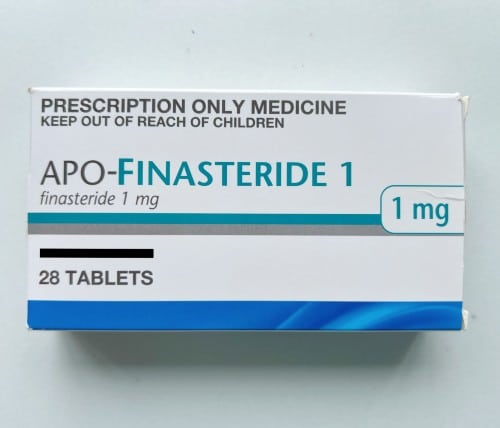 This is the big gun. It targets the root cause of hair loss: DHT, a byproduct of testosterone that shrinks your hair follicles until they stop producing hair.
- How it works: Finasteride blocks up to 70% of DHT by inhibiting the enzyme that converts testosterone into DHT.
- How to take it: Pop a pill once a day. Most men take 1mg, but smaller doses (like 0.25mg) can work too.
- How to get it: Prescription required. Go in person, or try telemedicine services like Hims or Keeps (just be ready for higher prices). Pro tip: generic versions are dirt cheap with discount programs like GoodRX.
- Side effects: About 2-3% of men report issues like low libido or brain fog. If that’s you, talk to your doctor about lowering the dose or switching to topical finasteride.
- Patience required: Results take 4 months to 2 years. Track your progress with photos to stay motivated.
2. Minoxidil (Rogaine)
 This one’s a growth stimulant. It doesn’t stop hair loss, but it helps regrow hair by keeping follicles in the active growth phase longer.
- How it works: Tells resting follicles to start growing again.
- How to use it: Apply twice daily—foam in the morning (quick-dry, no greasy look) and liquid at night (cheaper but messier).
- How to get it: Over the counter—easy to snag at Costco, Walmart, or Amazon. Foam costs around $50 for six months; liquid is cheaper.
- Side effects: Rare, but it can irritate the scalp. If that’s a dealbreaker, ask your doc about oral minoxidil (super effective but comes with more risks).
- Pro tip: Don’t start this and finasteride at the same time. Use finasteride first, so you can figure out what’s actually working.
3. Ketoconazole Shampoo (Nizoral)
 A shampoo that does more than clean—it fights DHT on the scalp and helps reduce shedding.
- How it works: Reduces DHT and inflammation on the scalp, promoting thicker, healthier hair.
- How to use it: Wash 2-3 times a week, leaving it on for 5-10 minutes before rinsing. Follow with conditioner to avoid dryness.
- How to get it: 1% is over the counter; 2% needs a prescription.
- Pro tip: It’s hit-or-miss. Some guys swear by it, others see minimal results. At $15 a bottle, it’s worth a shot.
4. Microneedling
Yep, it’s a bit intense, but this treatment is a game-changer. Tiny needles puncture the scalp to kickstart your body’s wound-healing response, which promotes hair growth.
- How it works: Boosts absorption of topical treatments (like minoxidil) and stimulates new hair growth.
- How to use it: Once every 1-2 weeks at a depth of 0.6-1.5mm. Use a dermapen or dermaroller (avoid sketchy brands—Dr. Pen is a good choice).
- Pro tip: Clean your device with alcohol before and after use to prevent infection.
How Will I Know If The Big 4 is Working?
Your hair might shed at first—don’t freak out!
That’s just the old, weak hair making way for stronger growth.
Take progress photos in consistent lighting every 3 months. Realistically, it’ll take a year or more to see noticeable results.
What If The Big 4 Isn’t Enough?
If you’ve stuck with The Big 4 for a year and still aren’t happy, it’s time to explore advanced options:
Dutasteride:
- Stronger than finasteride, blocking over 90% of DHT.
- Comes with a higher risk of side effects.
- Requires a prescription (and a determined dermatologist willing to prescribe it).
Oral Minoxidil:
- Works better for some men than topical, as it bypasses scalp enzyme limitations.
- Side effects like low blood pressure or excess body hair are possible, so it’s prescription-only.
Hair Transplant:
- A permanent solution if you’ve stabilized your hair loss.
- Costs vary ($2,000–$15,000+), so prioritize quality over price.
Other Treatments To Explore
1. Low-Level Laser Therapy (LLLT)
What It Is:
LLLT uses red light lasers or LEDs to stimulate hair follicles. Devices include laser caps, combs, or in-clinic treatments.
Potential Benefits:
- Improves blood flow to hair follicles.
- Increases energy production in cells (via ATP), prolonging the hair’s growth phase (anagen).
- Non-invasive and easy to combine with other treatments.
Effectiveness:
- Studies show moderate improvement in hair density and thickness for those with mild to moderate androgenic alopecia.
- Works best when used consistently over 3–6 months.
- Less effective for advanced hair loss or large bald areas.
2. Platelet-Rich Plasma (PRP) Injections
What It Is:
PRP involves drawing your blood, separating the platelet-rich plasma, and injecting it into thinning areas to stimulate growth factors.
Potential Benefits:
- Stimulates dormant hair follicles to regrow hair.
- Encourages healing and repair of scalp tissue.
- Boosts results when paired with microneedling.
Effectiveness:
- Studies suggest PRP can increase hair density by 20-30% over 3-6 months for androgenic alopecia.
- Results vary based on individual response, but it’s particularly effective for early-stage hair loss.
- Multiple sessions (3–4) are typically needed, with touch-ups every 6–12 months.
3. Tretinoin (Combined with Minoxidil)
What It Is:
A topical retinoid usually used for acne, tretinoin improves scalp absorption of minoxidil by increasing permeability.
Potential Benefits:
- Enhances the effectiveness of minoxidil, especially for non-responders.
- Stimulates skin cell turnover, potentially promoting scalp health.
Effectiveness:
- Small studies indicate that combining tretinoin with minoxidil significantly boosts hair regrowth in about 50% of users.
- Works best for individuals who don’t respond to minoxidil alone.
- Effectiveness depends on consistent use over several months.
4. Topical Dutasteride
What It Is:
A stronger alternative to finasteride, topical dutasteride blocks both Type I and Type II 5-alpha reductase enzymes, reducing DHT production locally on the scalp.
Potential Benefits:
- Reduces scalp DHT levels more effectively than finasteride.
- Lower risk of systemic side effects compared to oral forms.
Effectiveness:
- Studies show topical dutasteride reduces DHT levels by up to 95% in the scalp.
- Users often see results within 6–12 months, similar to oral finasteride but with fewer side effects.
5. Natural Oils (Rosemary, Castor)
What They Are:
Rosemary oil and castor oil are natural remedies often used to improve scalp health and stimulate hair growth. Rosemary oil has shown comparable effects to minoxidil in some studies.
Potential Benefits:
- Increases blood circulation to the scalp.
- Nourishes hair with antioxidants and anti-inflammatory properties.
- May reduce itchiness and improve overall scalp health.
Effectiveness:
- Rosemary oil: Studies indicate comparable efficacy to 2% minoxidil when used consistently for 6 months.
- Castor oil: Anecdotal evidence supports hair thickening, though scientific backing is limited.
- Best for mild thinning or as a complementary treatment.
6. Vitamin D Supplements
What It Is:
Vitamin D is crucial for hair follicle cycling. A deficiency can lead to hair thinning or shedding.
Potential Benefits:
- Restores healthy hair growth cycles in those with deficiencies.
- Promotes scalp health.
Effectiveness:
- Highly effective if hair loss is linked to a vitamin D deficiency.
- Has little to no effect if your vitamin D levels are normal.
7. Micropigmentation (SMP)
What It Is:
A non-surgical cosmetic tattooing technique that creates the illusion of fuller hair or a shaved head by applying pigment to the scalp.
Potential Benefits:
- Provides an immediate solution to the appearance of hair loss.
- Low-maintenance and cost-effective compared to a hair transplant.
Effectiveness:
- Purely cosmetic—does not regrow or stop hair loss.
- A great option for men who embrace a shaved look but want to add visual density.
Other Treatments Summary of Effectiveness:
- Highly Effective for Hair Regrowth: PRP, LLLT (with consistent use), Topical Dutasteride, and Microneedling.
- Moderately Effective: Rosemary oil, Tretinoin (combined with minoxidil).
- Situationally Effective: Vitamin D (only if deficient), SMP (for cosmetic results).
References
- jfhg